Compare 35 real places as zombie apocalypse story settings. OZomb ranks their safety, resource resilience and beauty, with photography, tradeoffs and a clear editorial method.
A fortress can hold a gate. A community has to keep living. We compare 35 real places for an imagined outbreak, weighing resources, everyday systems and beauty alongside separation.
35CURATED FILES
How this list is ranked · sources & limitations
Our fictional scenario assumes slow, land-bound infected. Each criterion receives an editorial score from 1–5: separation and approaches (28%), food/water potential (30%), community and service depth (20%), climate and everyday hazards (12%), landscape beauty (10%). The weighted mean becomes a score out of 100.
Safety combines separation and climate; resilience combines resources and services. Beauty is a separate landscape judgment. These are comparisons for outbreak fiction, not measured survival probabilities. A large inhabited region can outscore a striking empty fortress because people need functioning systems as well as walls.
A fictional slow-moving, land-bound outbreak scenario. Scores are editorial judgments, not measured survival probabilities or real-world relocation advice. Established communities and maintainable resources matter more than empty fortifications. Ranking is within these 35 selected places; it is not a global safety survey.
Rank numbers keep their original positions when you filter or sort. This is an ordering within OZomb’s selected titles and places. Source snapshots change over time.
An island we missed? A community with a stronger case? Nominate a location and explain its strengths and tradeoffs. Suggestions go to review before any list changes.
Nominate a location
35 locations
Snapshot: October 31, 2026 · original rank numbers stay visible
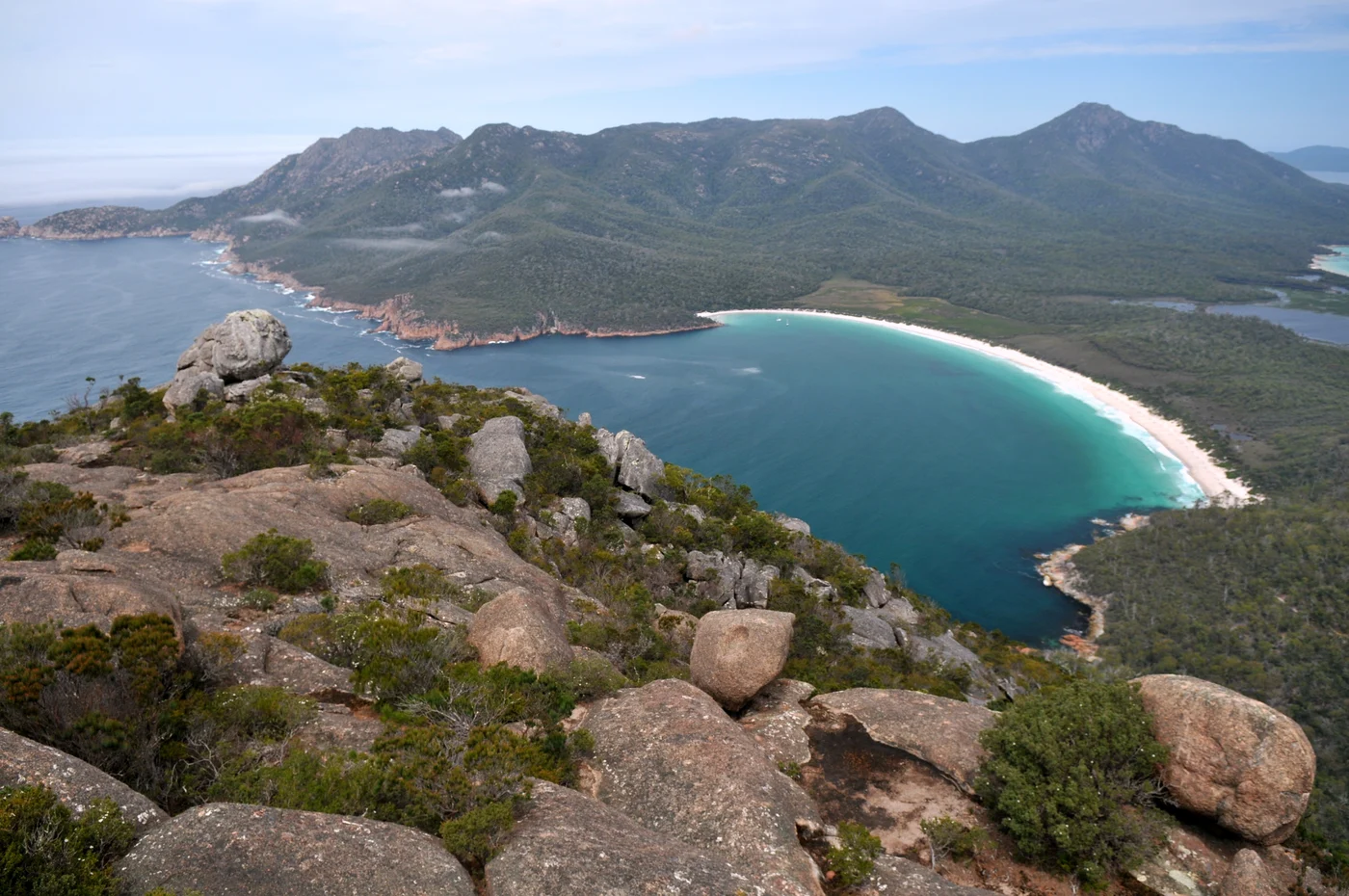
Tasmania is our first choice in this fictional comparison because it pairs an island boundary with a substantial working community. The state’s official agriculture profile describes varied food production and water resources, giving the premise more depth than an empty fortress. Coastlines, forests and mountains supply the beauty; maintaining farms, services and trustworthy arrivals would supply the story. Bushfire, flood and other real hazards still belong in the comparison.
The best balance in this selection: separation, food-producing capacity, established services and landscape variety.
The tradeoff: Island geography does not remove bushfire, flood, transport or community-management problems.
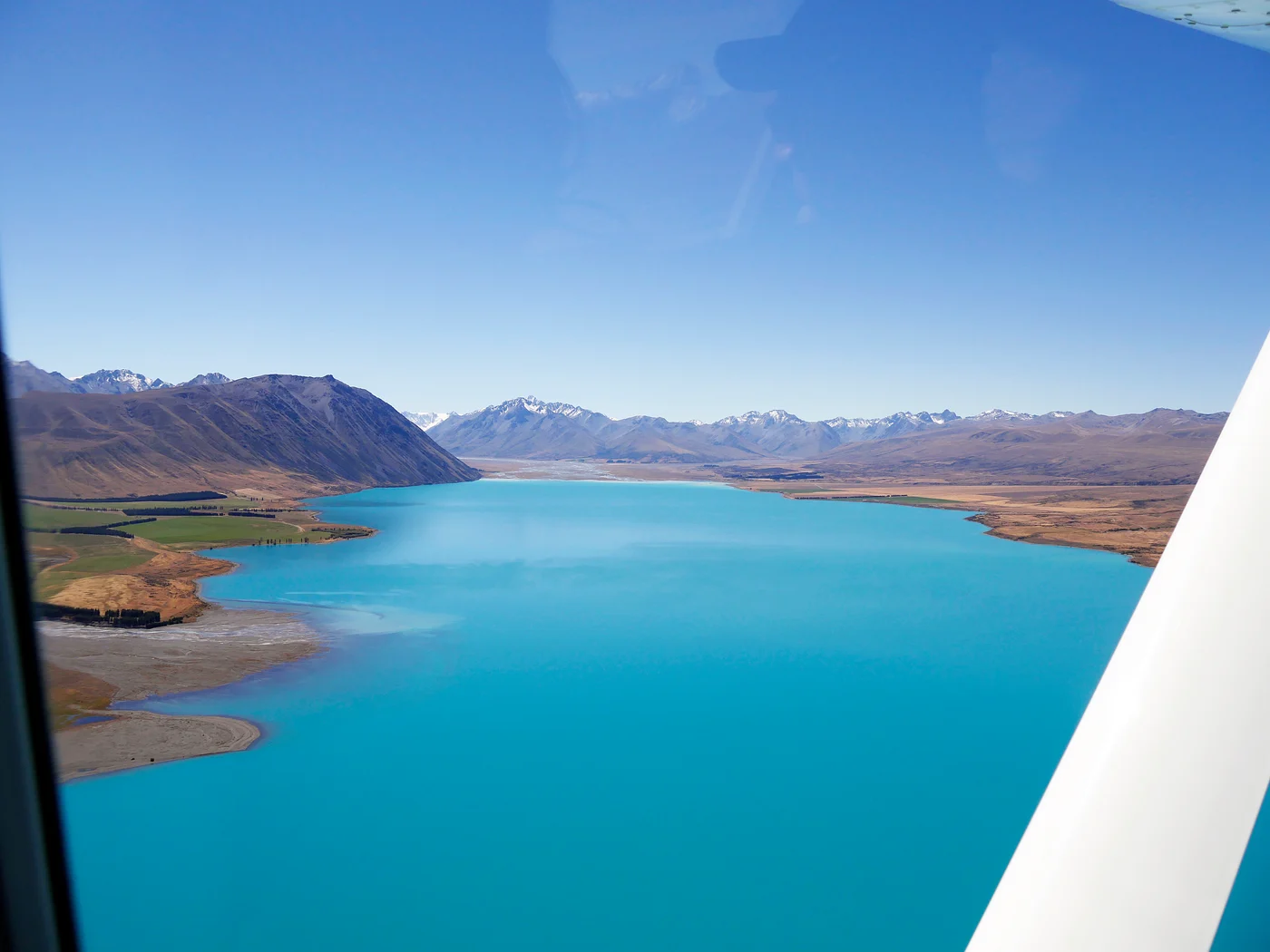
Te Waipounamu offers a much broader fictional base than a single isolated building: communities, connected landscapes and room for an outbreak story to develop beyond the first siege. Lake Tekapo, pictured here, represents the island’s striking interior rather than a claim that one lakeshore can support everybody. The overall comparison rewards the scope of an inhabited region while accounting for cold mountain weather, transport interruptions and the documented Alpine Fault hazard.
A large inhabited island with varied landscapes offers more fallback options than a lone outpost.
The tradeoff: Major earthquake exposure and interrupted roads or services reduce the scenario’s safety score.
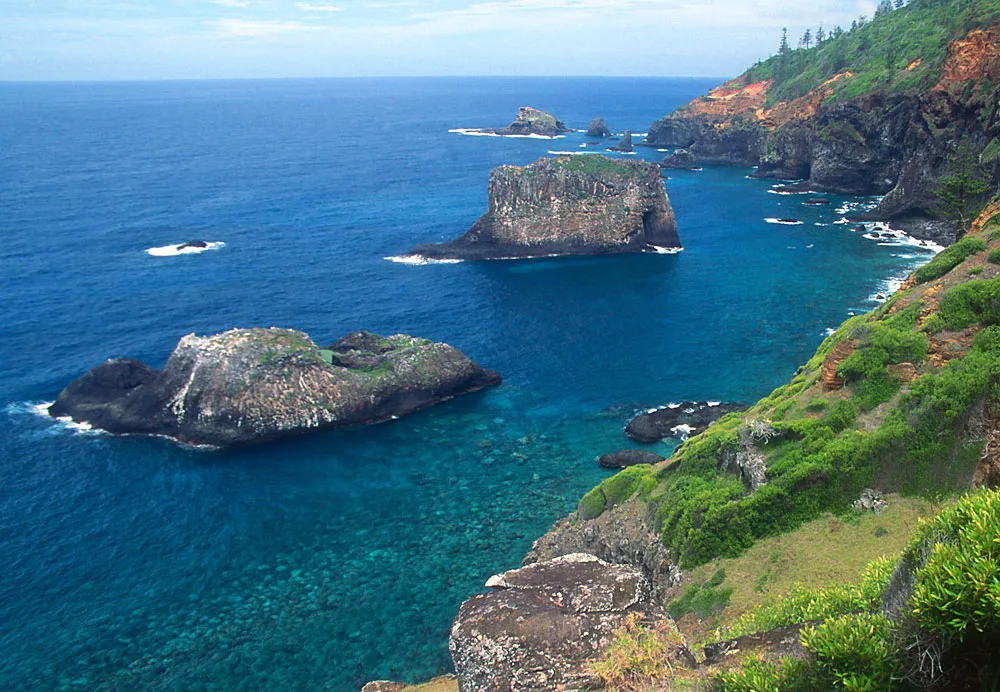
Norfolk Island is a small subtropical Australian territory in the South Pacific, with an established community and a landscape framed by ocean. In an OZomb scenario, its scale makes the social side of refuge especially interesting: everyone would feel the consequences of a failed delivery or a disagreement over arrivals. The fictional advantage is separation from densely connected mainland routes. The complication is that the same separation can make repairs and replacement supplies harder to obtain. Local knowledge would matter as much as geography.
An inhabited island, workable climate and community infrastructure create one of the better-balanced fictional options.
The tradeoff: An ocean barrier also makes specialist supplies harder to replace.
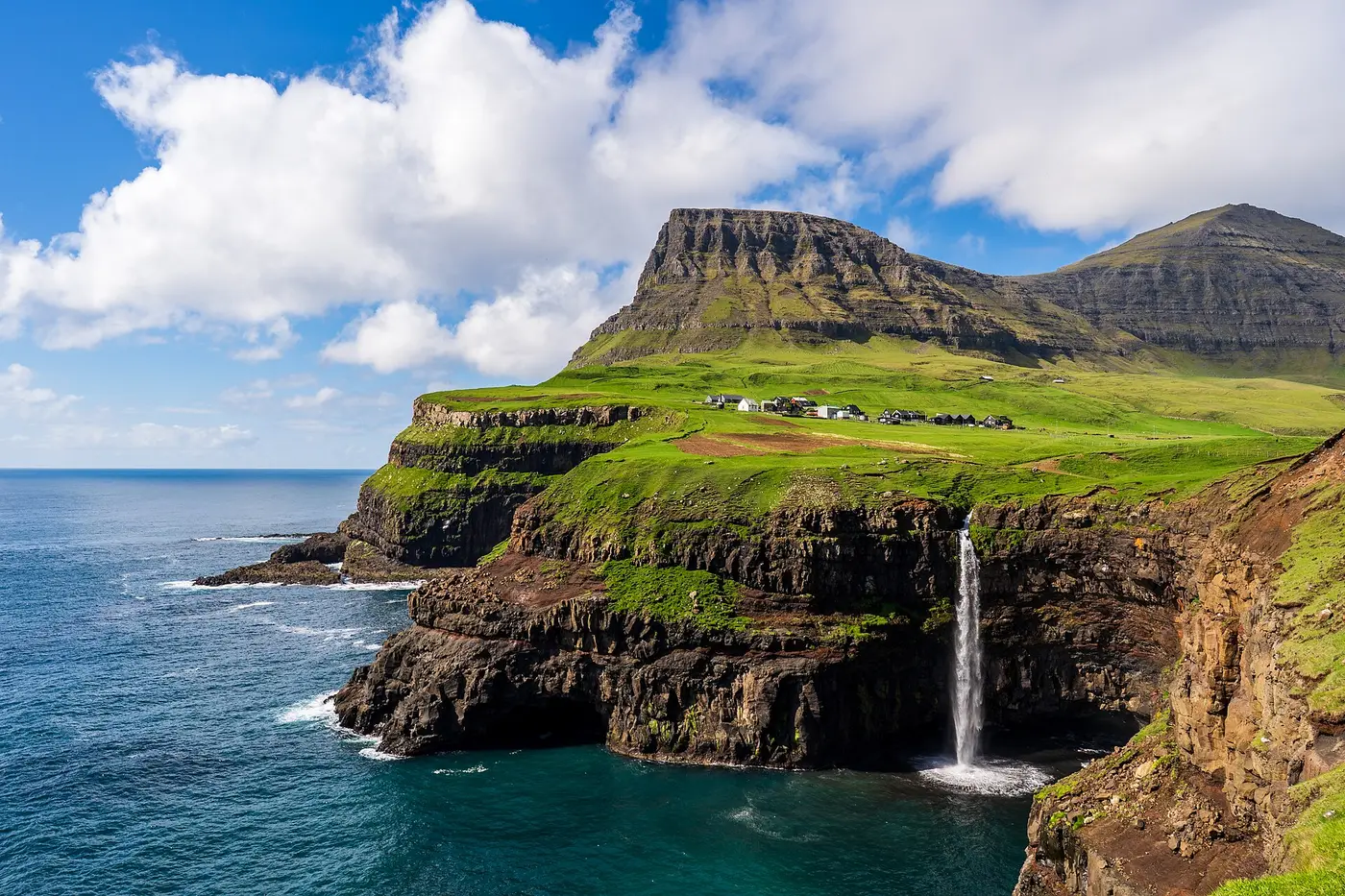
The Faroe Islands offer a North Atlantic setting of steep landscapes, small settlements and changeable weather. They make a compelling fictional alternative to the overcrowded mainland, while keeping the story rooted in working communities. The ocean creates separation, but it does not erase the need for transport and maintenance. Think of an interconnected island society under pressure rather than a deserted place where supplies appear automatically.
Established communities and maritime skills combine with island separation, although a connected archipelago still needs working logistics.
The tradeoff: Ocean weather and supply connections can narrow the alternatives.
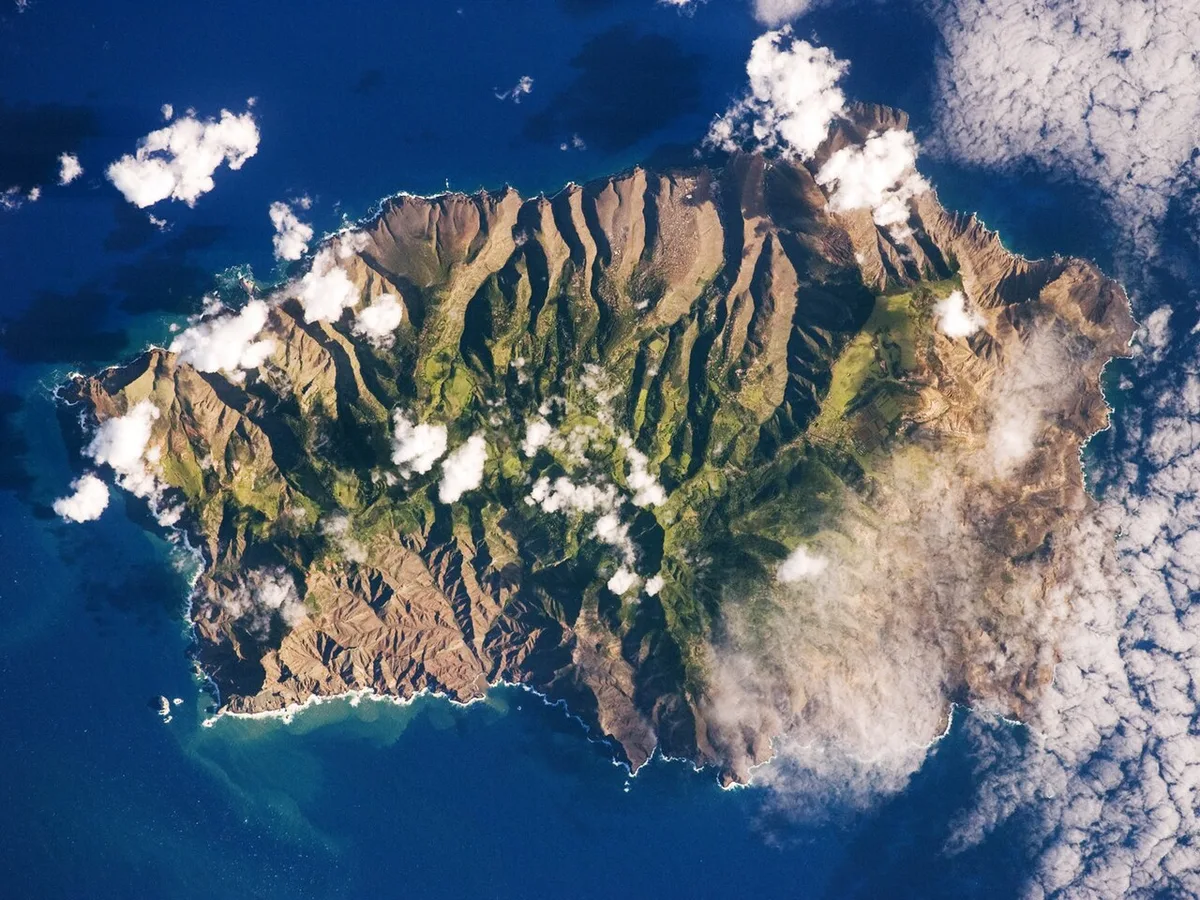
Saint Helena pairs rugged island scenery with an established community, historic sites and a subtropical climate. For an OZomb story, the surrounding Atlantic creates an evocative pause between a mainland outbreak and the next chapter. The interesting tension begins after arrival: distance also stretches every supply line. A convincing fictional refuge would depend on the people already living here, shared work and decisions about incoming transport. The island is a real home and conservation landscape, rather than an empty stage awaiting survivors.
A functioning inhabited island offers a more rounded base than a landmark alone, with distance and a relatively mild setting.
The tradeoff: Imported goods and links to the wider world remain important.
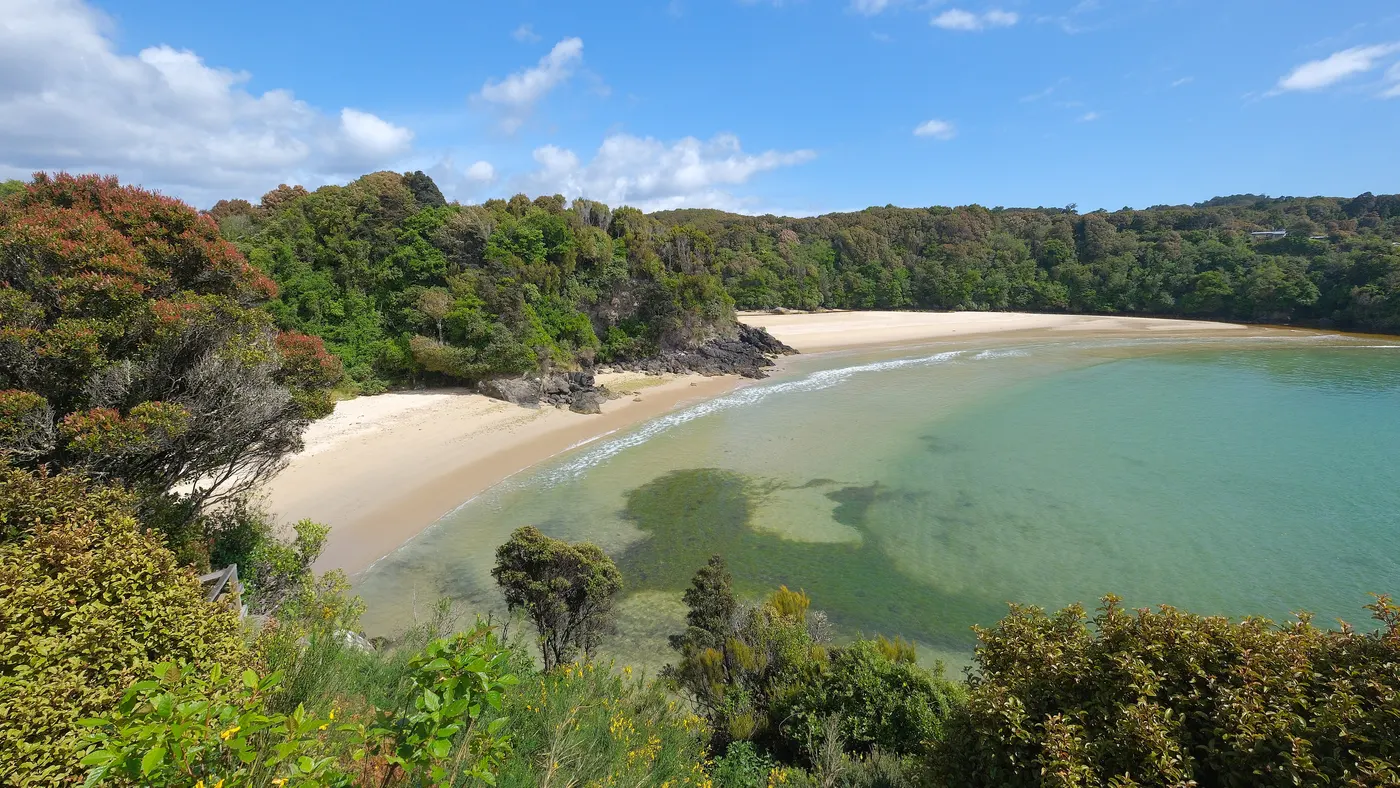
Rakiura combines coastal forest, sheltered inlets and an island community south of New Zealand’s South Island. The Department of Conservation emphasizes that its weather can turn wet, windy and wild at any time. For an OZomb scenario, the appeal is separation without an interplanetary journey. The challenge is living responsibly within a real, protected landscape while maintaining food, shelter and contact with others.
An inhabited island with a strong natural setting balances separation and everyday community life better than an empty outpost.
The tradeoff: Small-scale services and transport remain a limiting factor.
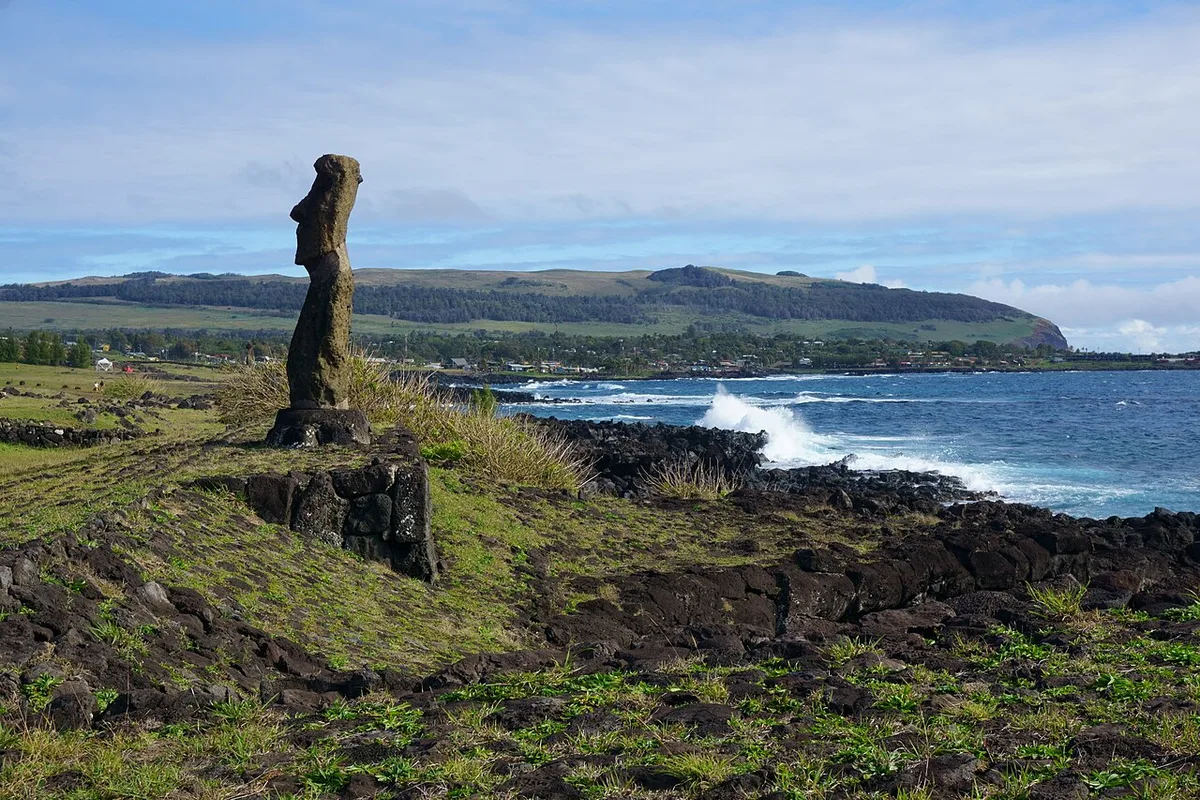
Rapa Nui is a living island culture in the Pacific, known for moai, volcanic landscapes and important ceremonial places. An OZomb story should begin with that community and heritage, rather than treating the island as an abandoned outpost. Its distance from continental Chile creates a powerful fictional sense of separation. The difficult questions concern transport, limited resources and cooperation when the wider world falls silent. A story here could explore who gets to define refuge, and how protecting a community also means protecting its cultural landscape.
An existing community and remarkable setting score well, but the long-distance supply question prevents a higher placement.
The tradeoff: Remoteness protects the boundary while increasing dependence on what is already there.
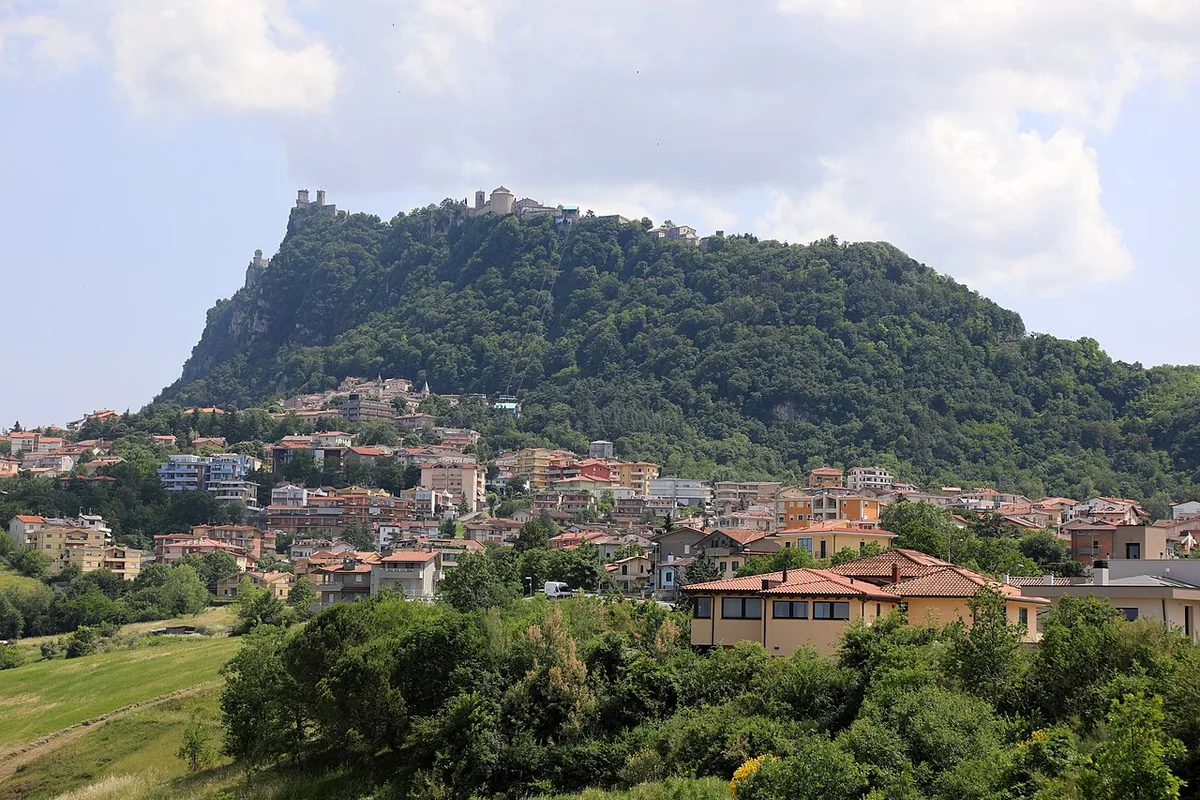
San Marino's historic center occupies Mount Titano, where defensive walls, public monuments and the urban layout express a long civic history. UNESCO recognizes the site as a living cultural tradition tied to the republic's institutions. That combination gives an OZomb story more than a dramatic elevated skyline. Imagine a fictional hilltop community trying to keep its decision-making credible while outside events become harder to understand. Height can shape the opening image; trust, shared obligations and the practical needs of residents would determine what happens after the gates become a symbol of refuge.
An inhabited hilltop state pairs a dramatic setting with daily services, trading ocean separation for greater everyday capacity.
The tradeoff: Land access and surrounding regional connections remain part of the scenario.
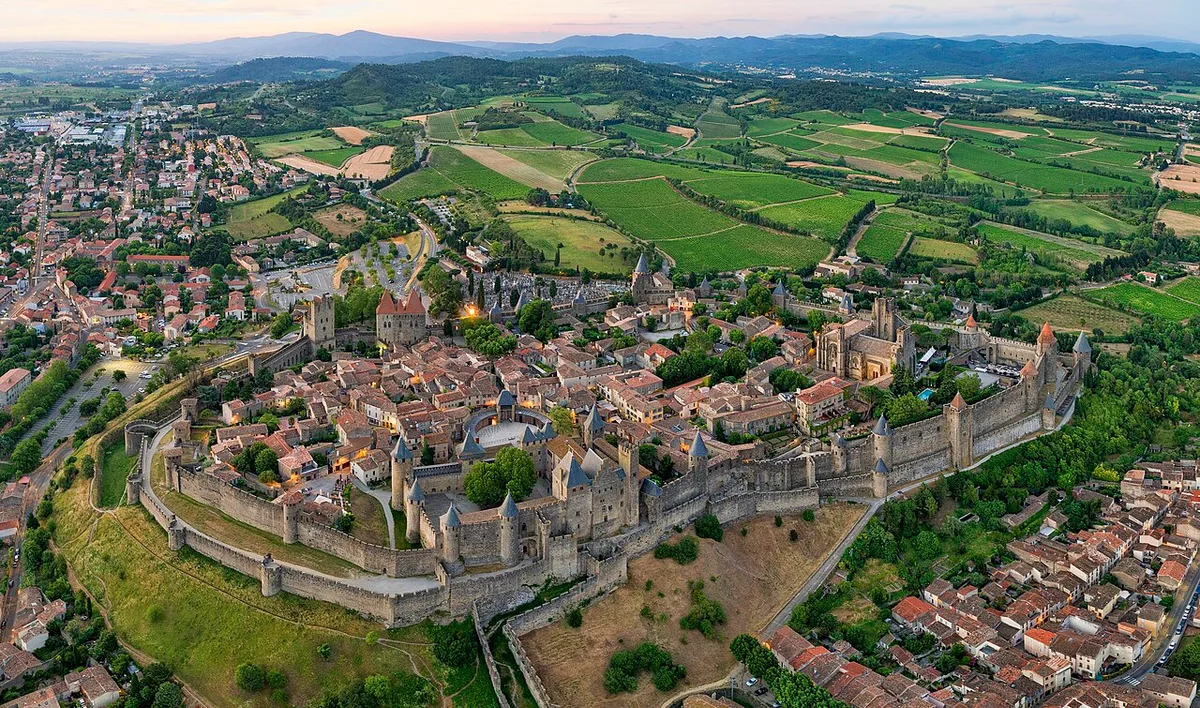
Carcassonne's double walls and towers make a striking backdrop for a fictional outbreak chapter. The historic fortress is a real cultural destination, and its layered enclosure suggests stories about thresholds: who waits outside, who makes decisions inside and how information passes between them. For OZomb, the drama would continue long after a gate closes. A community still needs dependable supplies, sanitation and cooperation. The most interesting version of this setting treats the walls as the start of a difficult collective project, rather than a guarantee of safety.
A real urban community and nearby everyday infrastructure give it more endurance potential than a small isolated monument.
The tradeoff: Land connections and a larger population also create more outbreak routes.
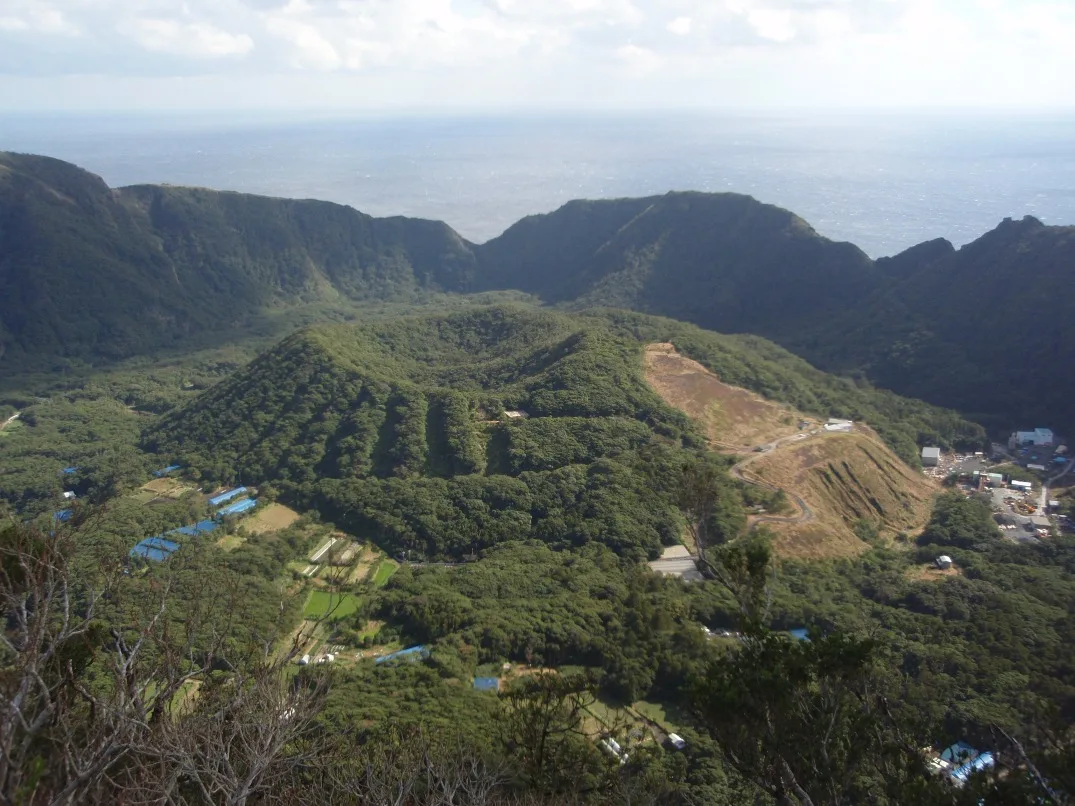
Aogashima is an inhabited volcanic island south of Tokyo, with a smaller cone inside its dramatic crater landscape. The official Tokyo guide notes that onward travel from Hachijojima can be affected by weather. For an OZomb story, that geography creates an unusual contrast: a settlement enclosed by green heights, yet exposed to uncertainty beyond the horizon. Imagine residents weighing an overdue arrival against the work of maintaining daily life. The fictional refuge depends on community knowledge and functioning connections, rather than the crater supplying an automatic escape.
A real island settlement with striking natural boundaries makes a strong story, balanced against a small support system and volcanic landscape.
The tradeoff: Weather-sensitive access and limited alternatives prevent a higher rank.
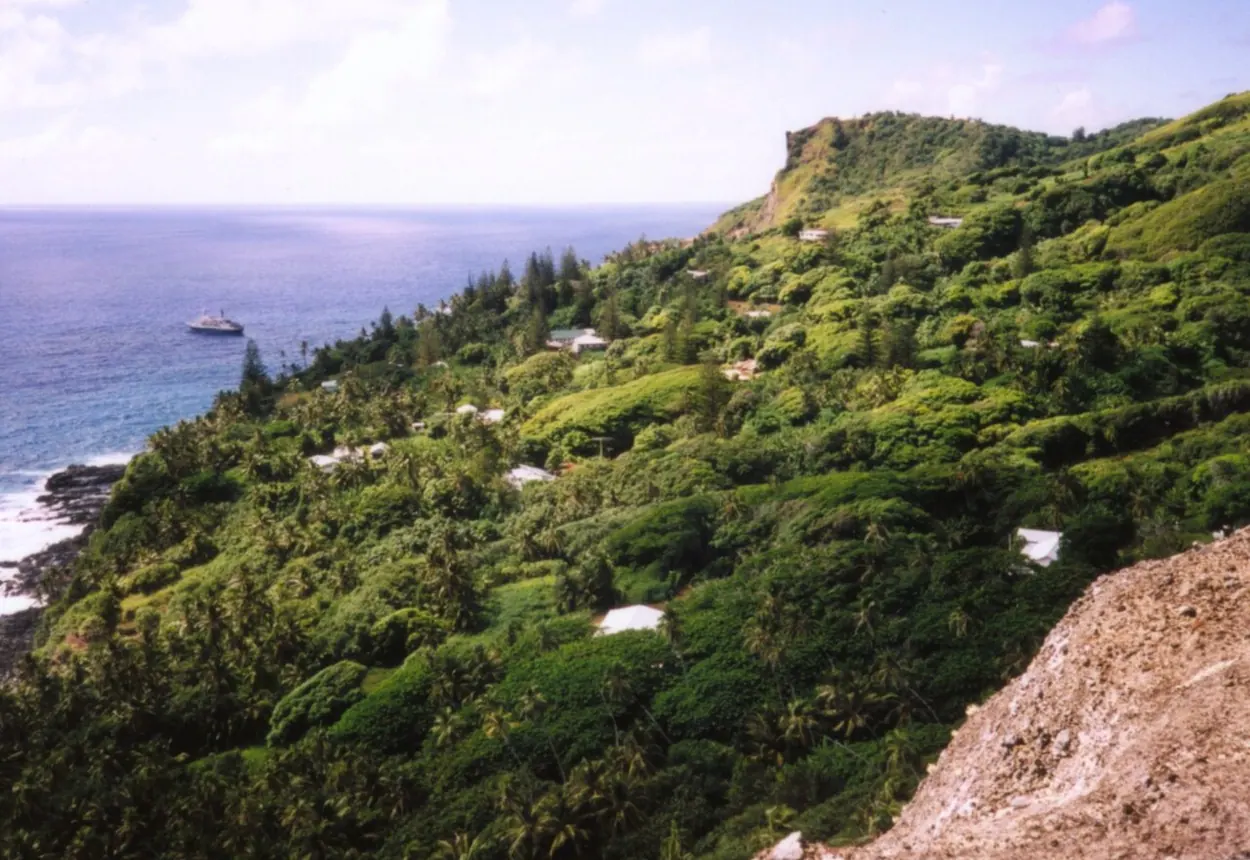
Pitcairn has no airport; the official visitor route includes a sea crossing from Mangareva. That makes the journey itself part of any fictional escape. Once there, the island’s distance would not remove the need for food, medicine and cooperation with its existing community. Treat the ocean as both protection and a logistical problem, and the location becomes more interesting than a simple “safe island.”
A living island community is more credible than an abandoned fortress, but its scale leaves little redundancy.
The tradeoff: A small population and difficult connections magnify a single system failure.
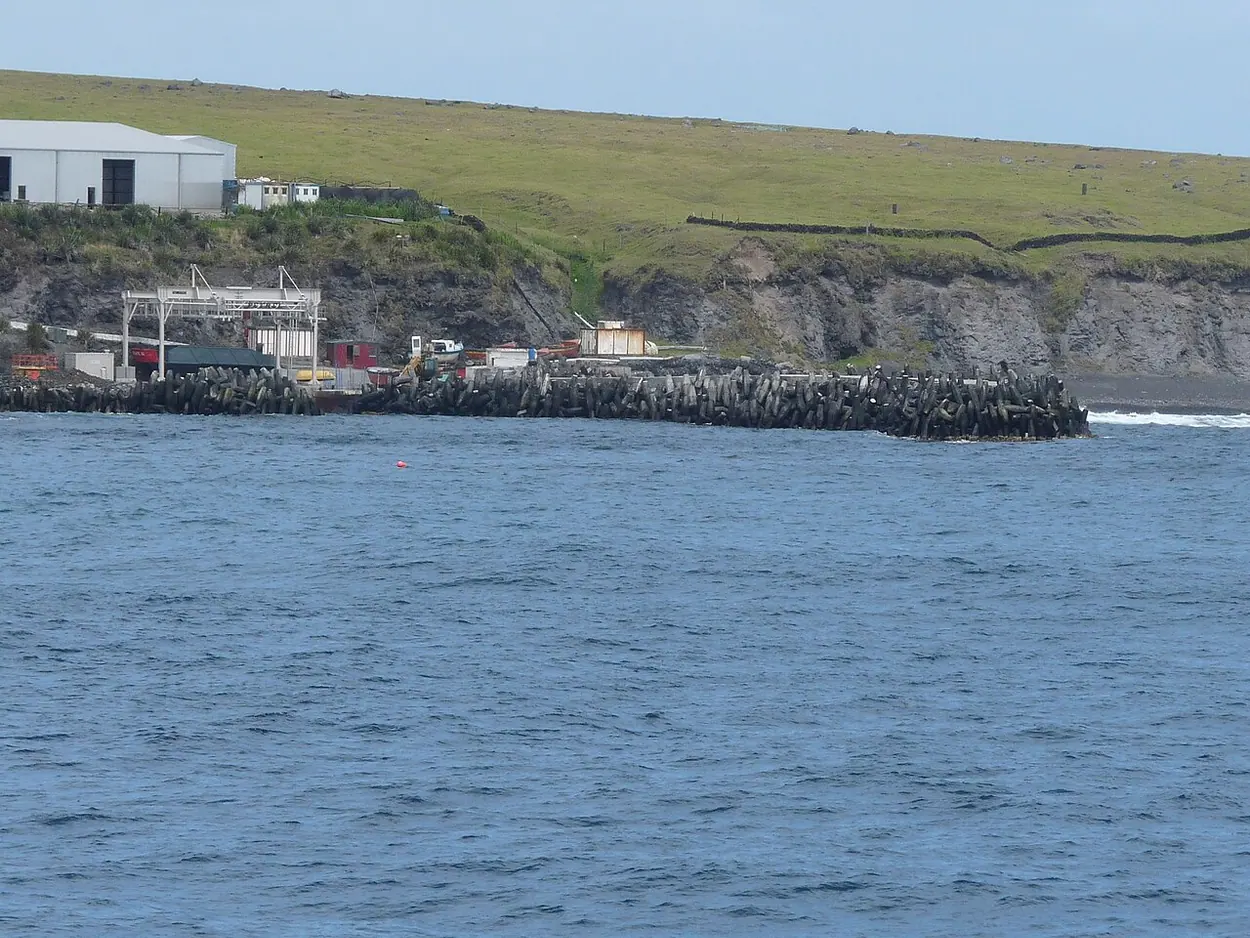
A South Atlantic island makes a compelling fictional refuge because the ocean separates it from a mainland outbreak. Tristan’s real visitor guidance also reveals the tradeoff: landings depend on conditions, travel is by sea and serious medical problems can require evacuation to Cape Town. In an OZomb story, the strength is distance; the vulnerability is the same sea route needed for supplies.
Ocean separation is exceptional, but a very small supply and medical network limits a long stay.
The tradeoff: A delayed landing or medical evacuation can change everything.
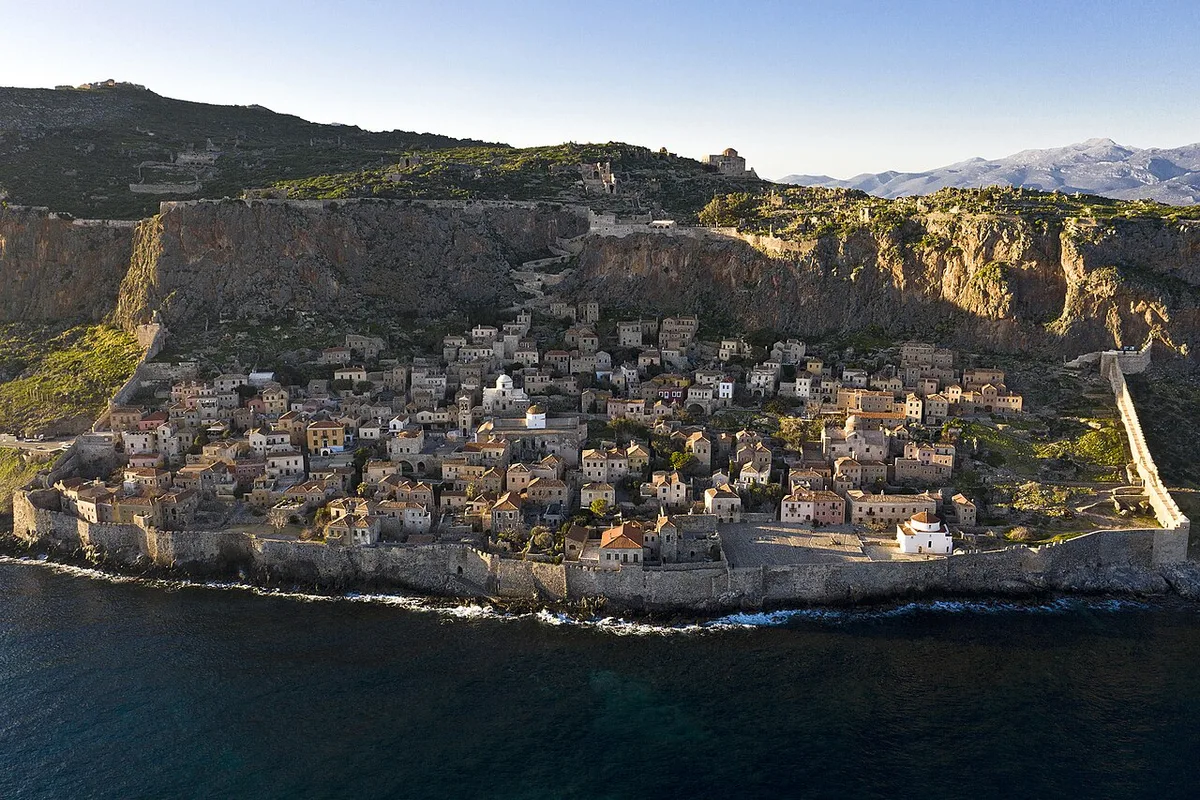
Monemvasia is a living medieval castle town gathered against an imposing rock by the sea, linked to the Peloponnese by a narrow strip of land. That geography creates a focused fictional setting where each arrival can carry dramatic weight. An OZomb story could follow residents balancing hospitality, uncertainty and the practical work of keeping daily life going. The rock supplies the spectacular establishing shot; the community supplies the story. Limited space and dependence on the outside world would keep the refuge premise complicated after the initial escape.
A compact approach and a living settlement offer a strong fiction premise, with less room for independent production than a larger island.
The tradeoff: A controlled approach can become a bottleneck for your own supplies.
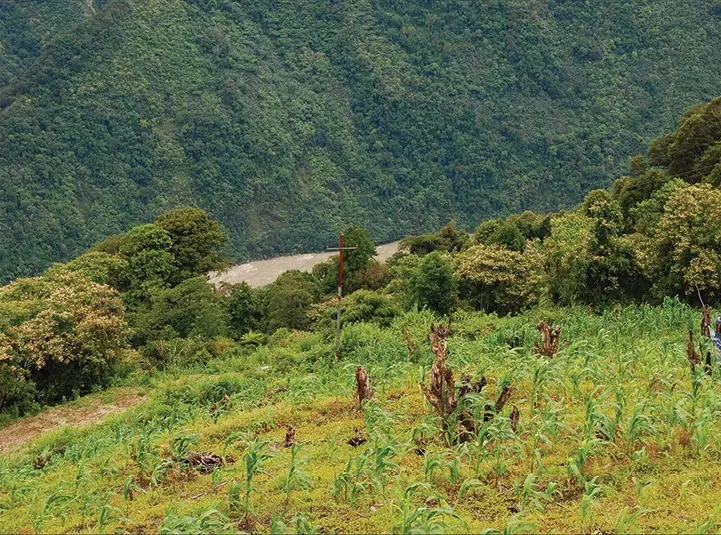
Forested valleys and steep terrain can make Medog feel like a place beyond the main routes of an outbreak. It is not a roadless lost world: highway development has changed its connection to surrounding areas. For fiction, use the tension between difficult terrain and necessary transport. A mountain barrier may slow a crowd while also complicating repairs, deliveries and a group’s own departure.
Terrain gives a story natural choke points; road connections and difficult repairs keep it from being a self-contained haven.
The tradeoff: Steep terrain complicates your own movement as well as a horde’s.
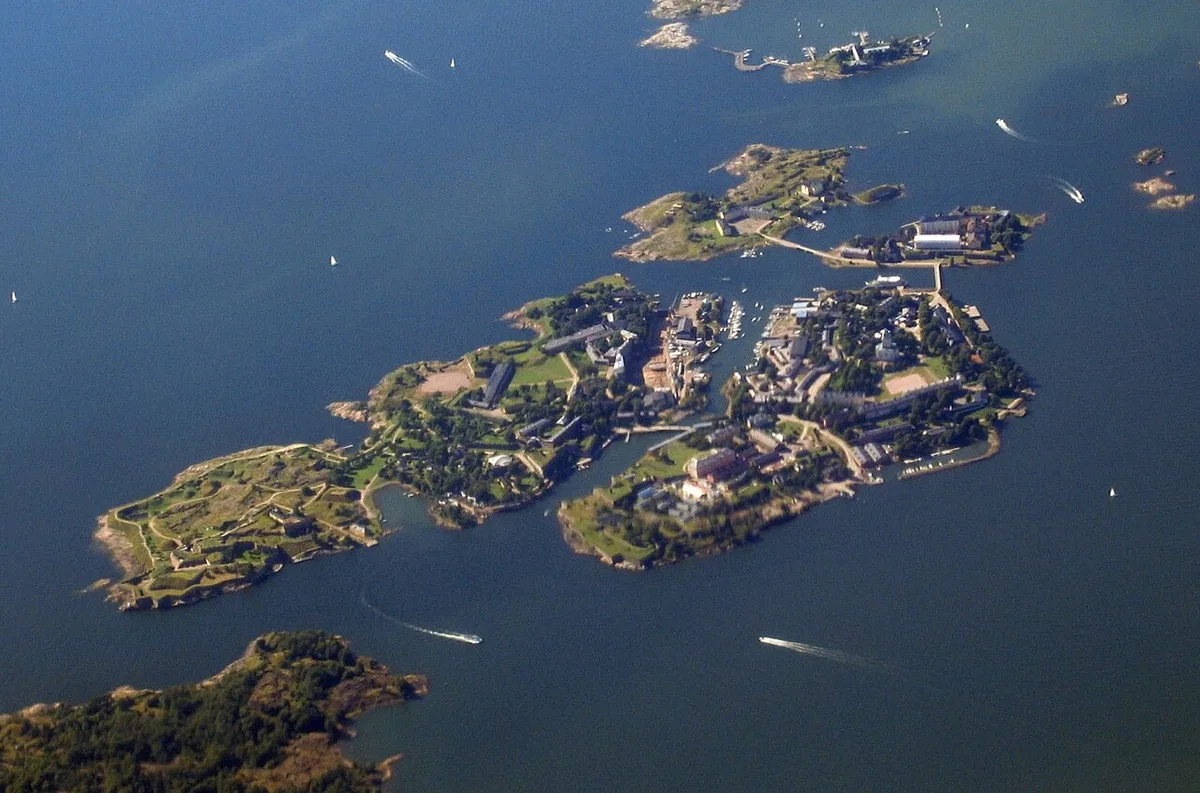
Suomenlinna is a sea fortress and a living maritime district of Helsinki, with residents, workplaces and visitor services across its island setting. Its official website makes clear that this is part of a contemporary city, reached by a short sea trip. In an OZomb scenario, that closeness could be the central tension: the mainland remains visible while every crossing carries uncertainty. A fictional community would have to balance separation with the connections that sustain ordinary life. The interesting premise is a functioning neighborhood under pressure, rather than a deserted military compound.
A real island district connected to a working city offers useful infrastructure, but that same connection limits isolation.
The tradeoff: The comparison depends on whether ferry routes and shared city services keep functioning.
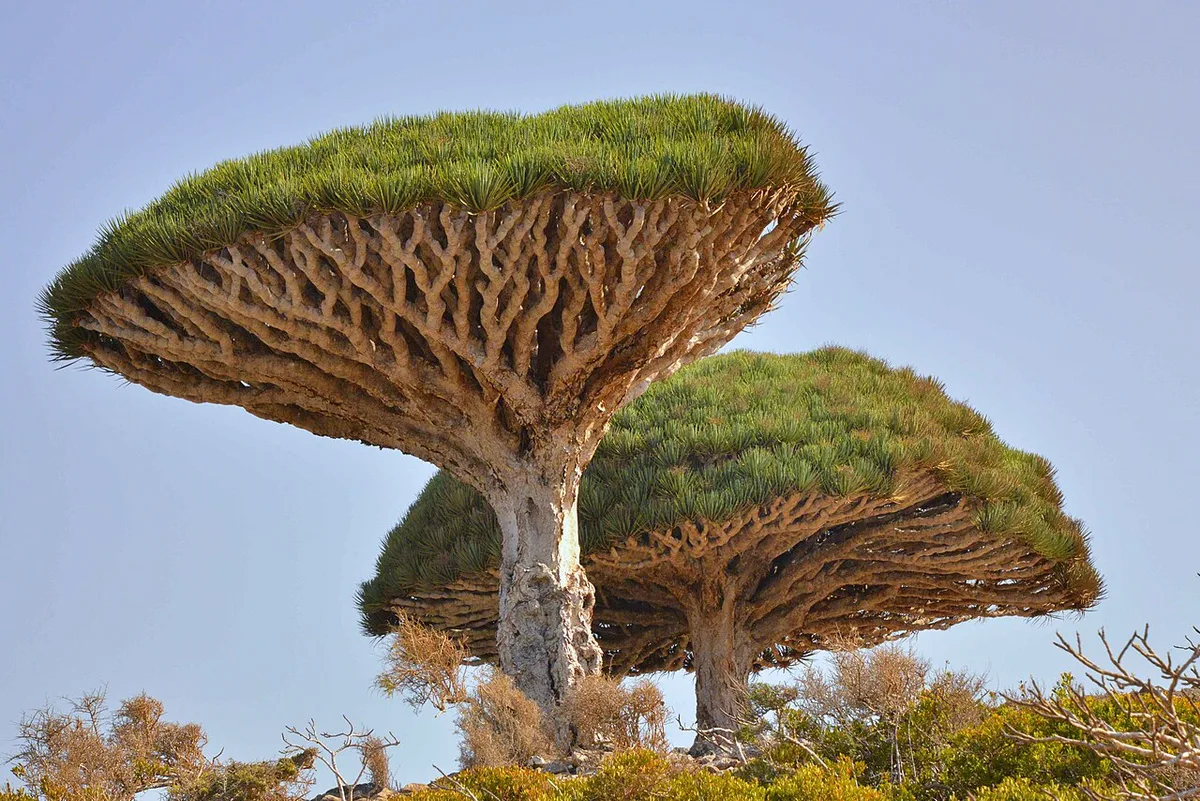
Socotra's dragon's-blood trees give this inhabited Yemeni island a silhouette unlike a familiar city-outbreak setting. UNESCO emphasizes both its exceptional biodiversity and the close relationship between the landscape and its indigenous community. An OZomb story could use the surrounding sea to create distance while focusing on what must be preserved inside that boundary. The fictional challenge would be sustaining people without exhausting a fragile environment. Treat its distinctive plants and cultural knowledge as part of a living place, rather than a limitless store of survival resources.
A living community and unique landscape offer narrative depth, while environmental fragility and connectivity make the refuge premise complicated.
The tradeoff: Biodiversity is not an unlimited store of food or materials.
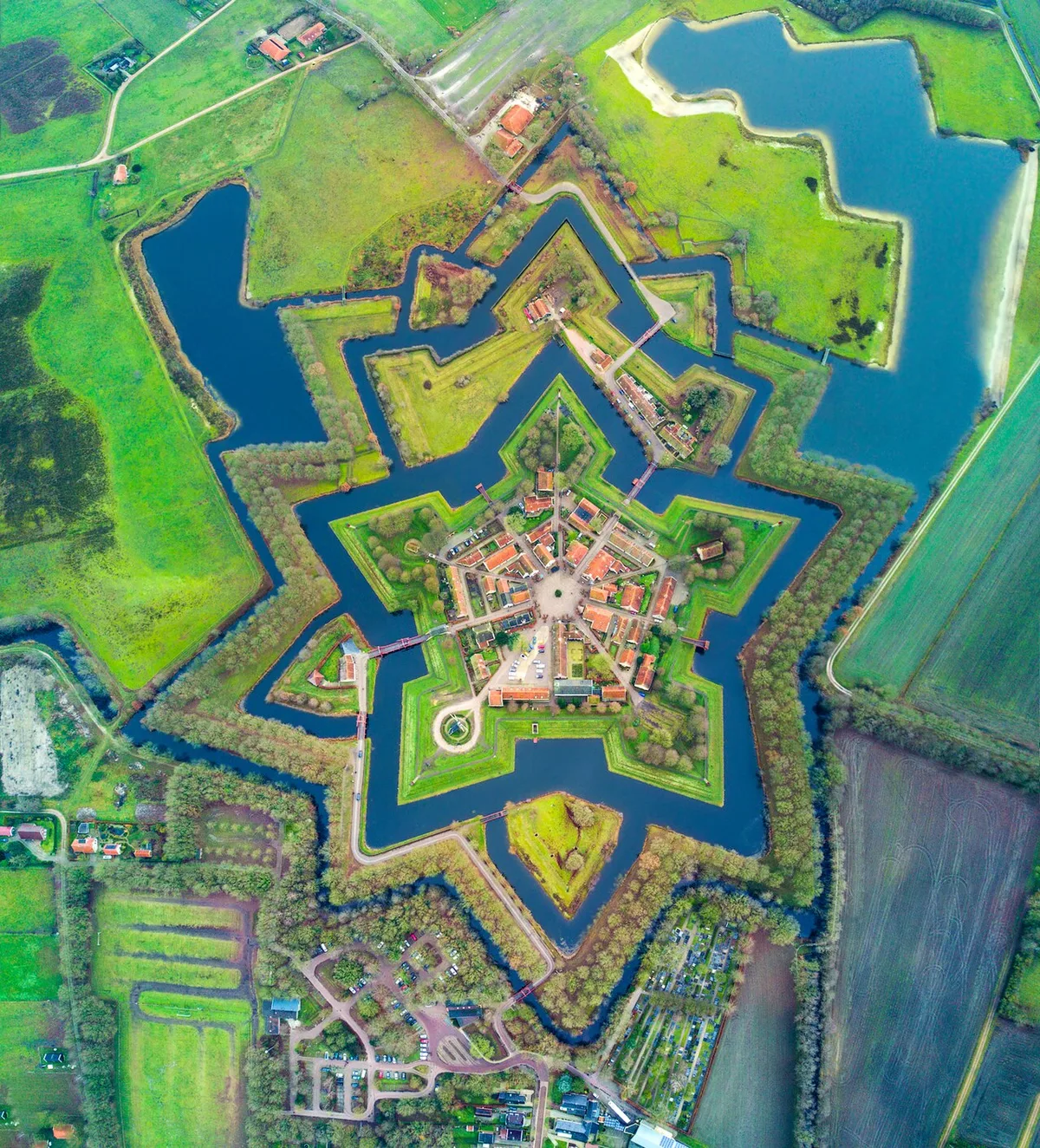
Bourtange combines a historic fortress setting with museums, lodgings and residents who still call it home. Its geometry gives an OZomb storyteller a memorable stage for a community under pressure. The fictional question is whether a place built around controlled approaches can preserve ordinary life when the outside world changes. A convincing story would spend as much time on food, repairs and relationships as on the walls. Existing residents are central to that premise; the fortress is a living place with visitor rules, rather than an abandoned compound.
A compact inhabited defensive plan is easier to imagine organizing than a huge empty facility, though it remains connected to surrounding land.
The tradeoff: Historic defenses do not remove the need for food, water and coordinated residents.
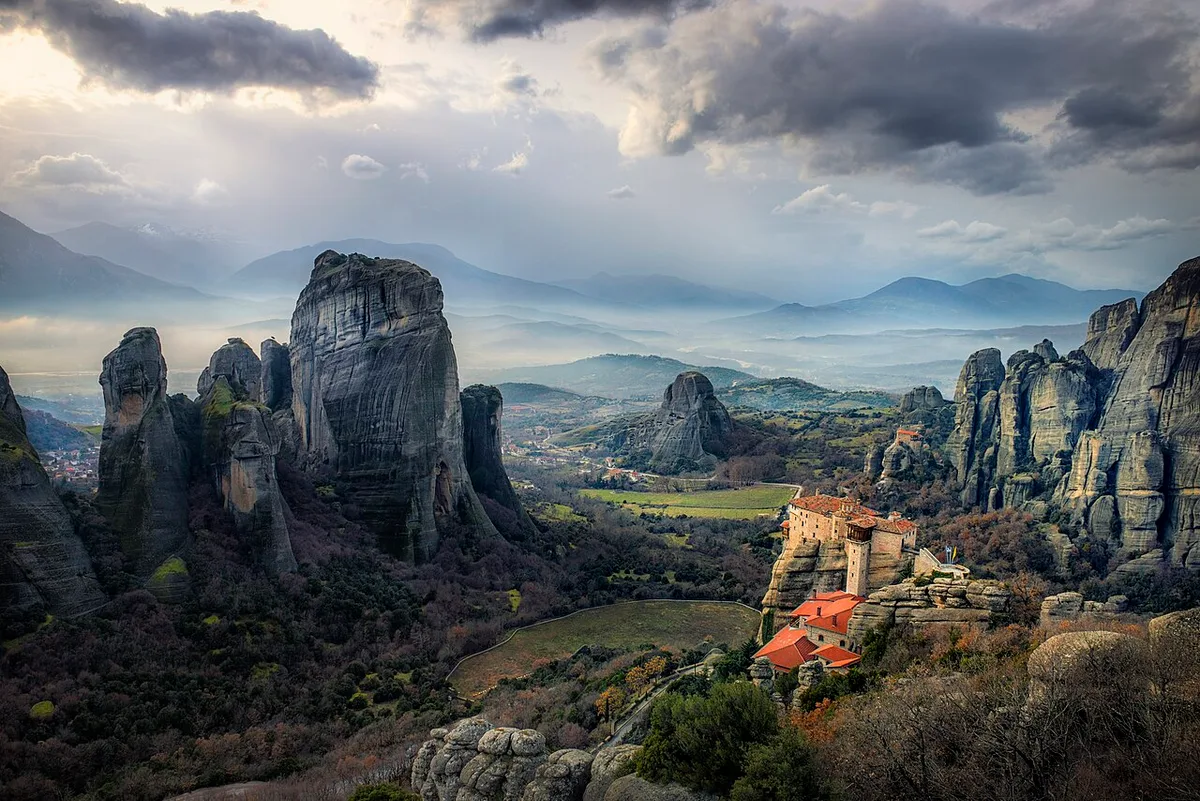
Meteora's towering rock formations support active monastic communities, creating a real landscape of height, seclusion and carefully adapted buildings. Greece's tourism authority identifies six operating monasteries within this protected heritage setting. For OZomb fiction, a counterpart inspired by those pillars could make vertical distance feel reassuring in the opening scene. The longer story would ask how supplies, messages and responsibilities move between separated groups. These are living religious places; the useful storytelling idea is the tension between withdrawal and necessary connection, rather than treating a monastery as an empty fortress.
Clifftop architecture provides a strong defensive image and extraordinary beauty, with less redundancy than a broad inhabited region.
The tradeoff: Height complicates delivery and evacuation as well as hostile access.
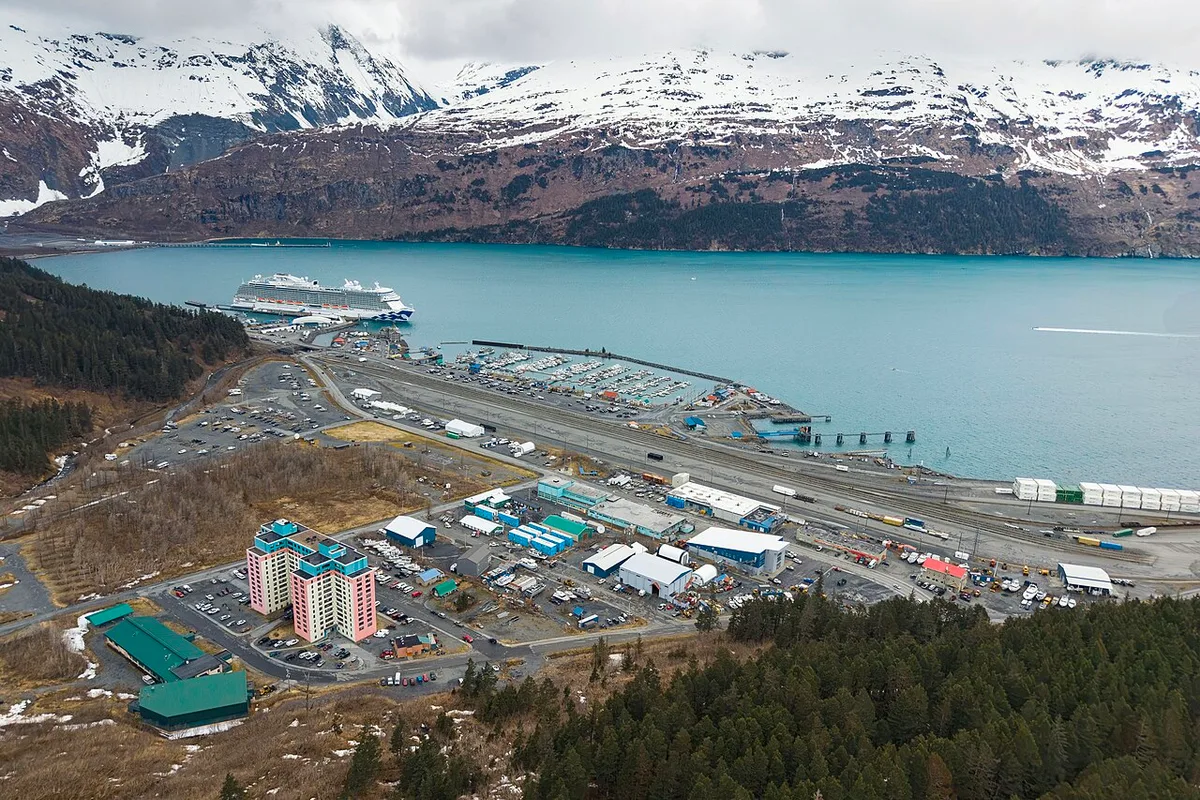
Whittier is a port community at the head of Passage Canal on Prince William Sound, linked to the highway network through a combined road-and-rail tunnel. Alaska's marine-highway information places sea transport alongside that distinctive land connection. For an OZomb story, the setting offers two contrasting horizons: ships arriving across the water and news emerging from the mountain route. A fictional refuge here would still depend on people maintaining transport and essential services. The drama comes from a community managing uncertainty at its connections, rather than assuming that a tunnel makes isolation complete.
A functioning small town and constrained routes give it a clearer community premise than an empty fort.
The tradeoff: Weather and transport bottlenecks can become liabilities for residents.
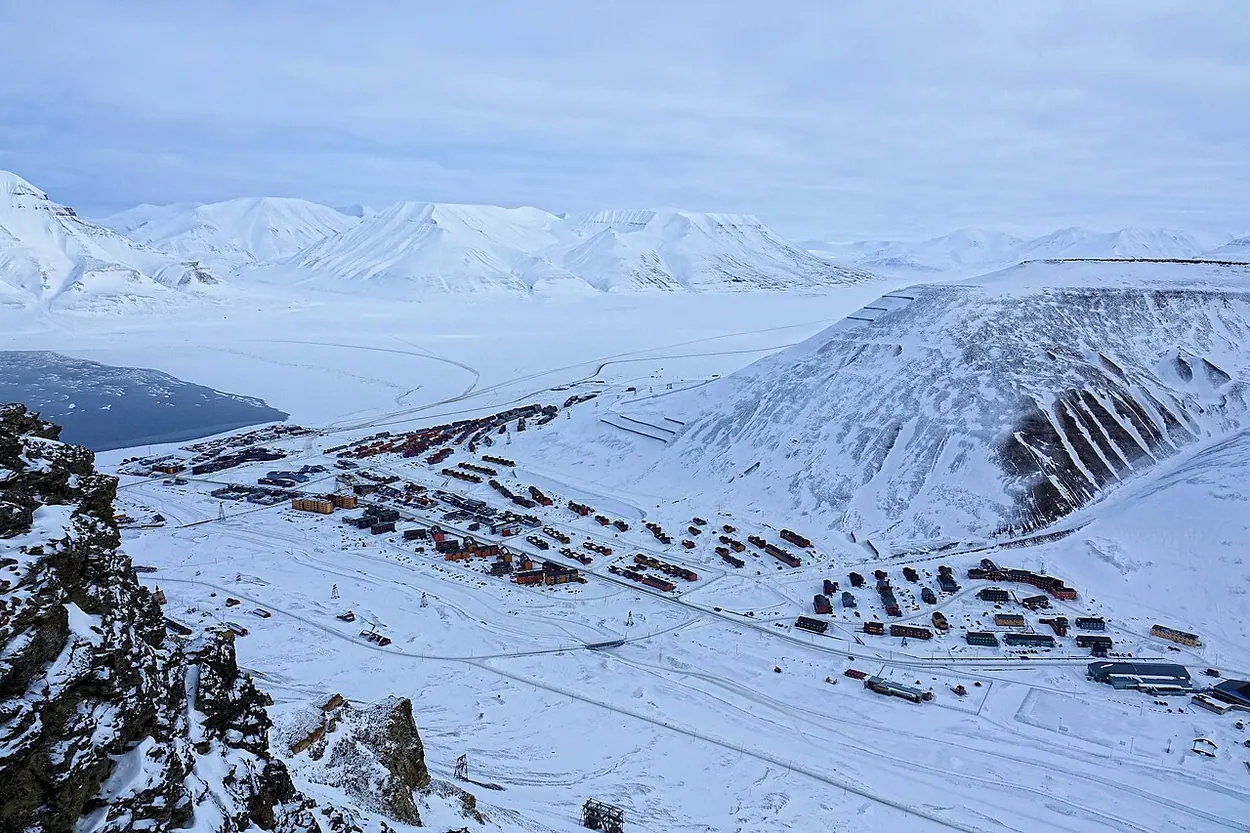
Longyearbyen sits on Spitsbergen amid an Arctic landscape of mountains, glaciers and seasonal darkness. It is a real town with residents and services, not an abandoned bunker. In a zombie story, its remoteness offers a head start, while the demanding environment makes reliable infrastructure central. The strongest version of this refuge is a functioning community; the weakest is a visitor who mistakes isolation for self-sufficiency.
A real town offers more services than an empty polar refuge, while climate and supplied goods constrain endurance.
The tradeoff: Arctic conditions remain a challenge even with no fictional infection.
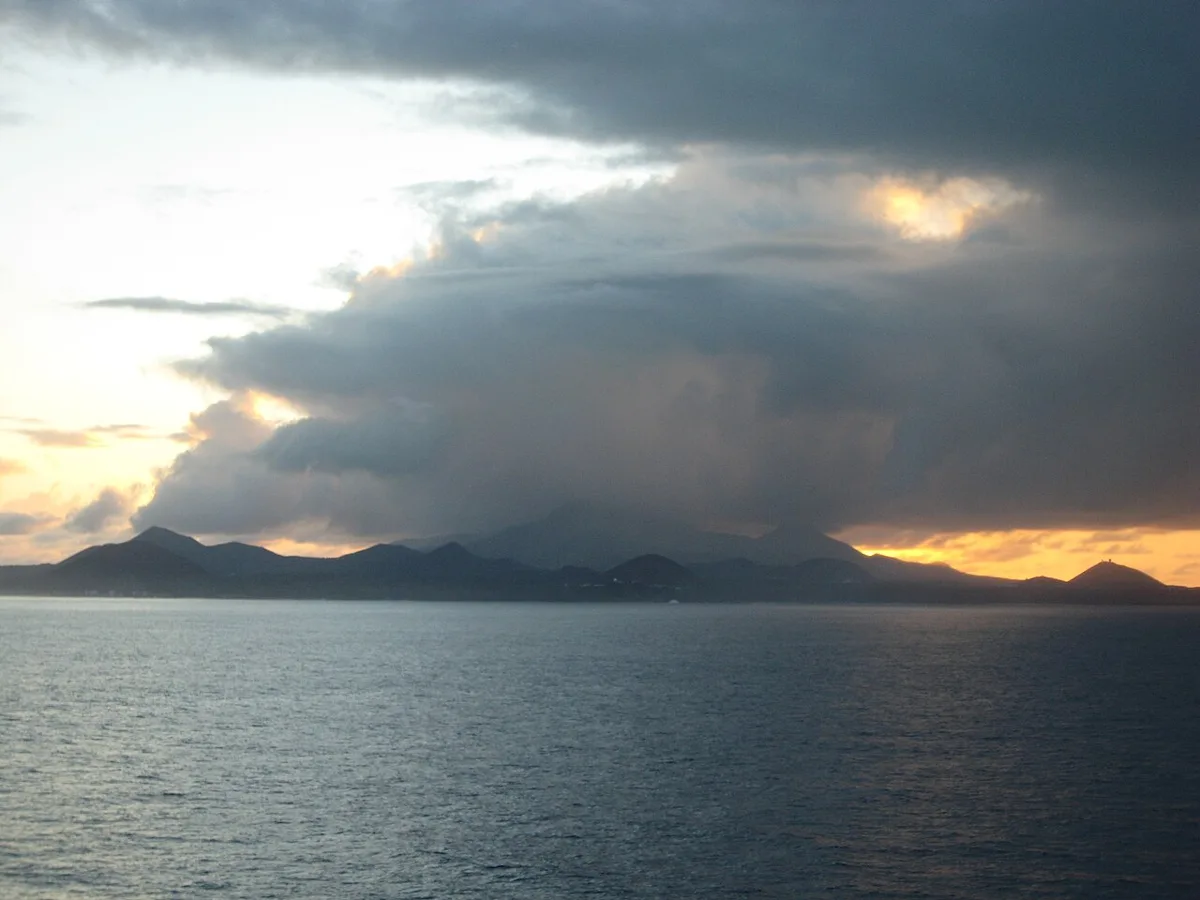
Ascension's volcanic lava fields, sandy bays and greener high ground give a fictional outbreak story several striking environments within one island. The government describes it as a working island: residents are there through employment or family connections. That reality suggests a stronger OZomb premise than simply arriving at a remote beach. Imagine an existing team trying to preserve its routines while outside support becomes uncertain. The ocean supplies dramatic separation, but maintaining services, sharing resources and deciding who can arrive would drive the story.
Separation is strong but the case for prolonged independent daily life is weaker than its dramatic remoteness suggests.
The tradeoff: A small, operationally connected island is not automatically self-sufficient.
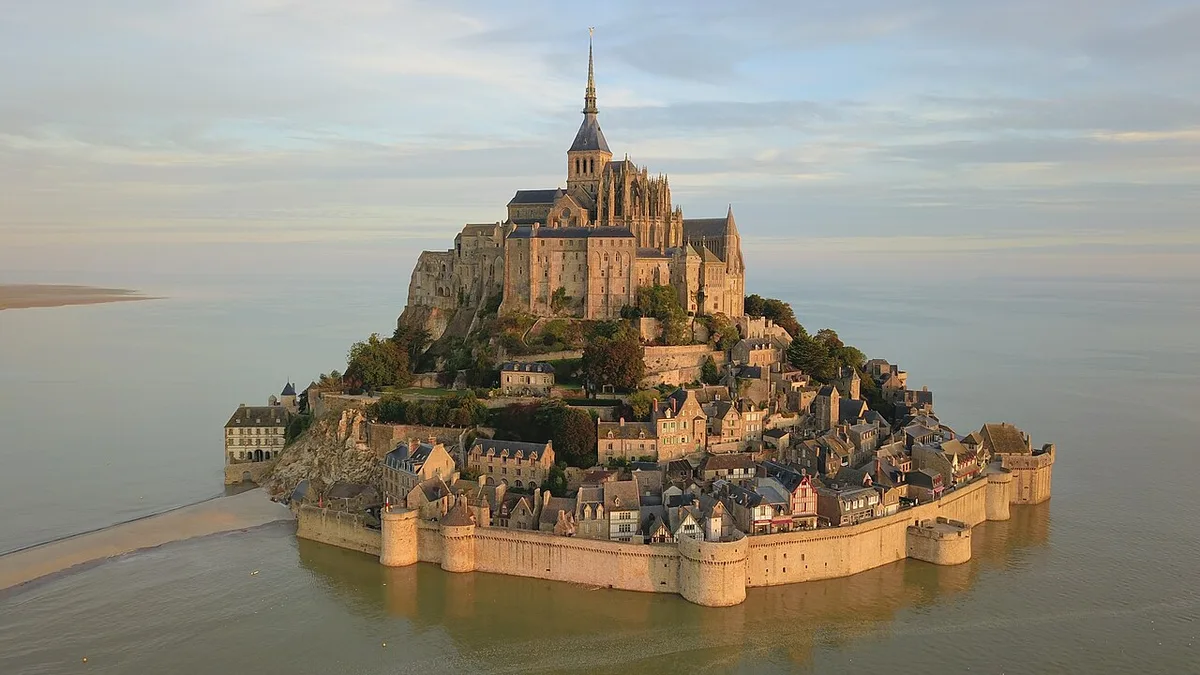
Mont-Saint-Michel offers an extraordinary fictional image: a compact historic settlement and abbey rising above a tidal bay. The changing water is part of the real landscape, and in an OZomb story it could become a clock that shapes every decision. A writer can build suspense around separation, waiting and the visible approach of trouble across an open horizon. The harder narrative concerns the people inside, their supplies and the responsibility of caring for a fragile heritage place. This is storytelling inspiration, not a real refuge recommendation.
A spectacular fortified silhouette earns beauty points; its tidal setting does not create a complete independent settlement.
The tradeoff: Routes, crowds and daily supplies complicate the island-fortress fantasy.
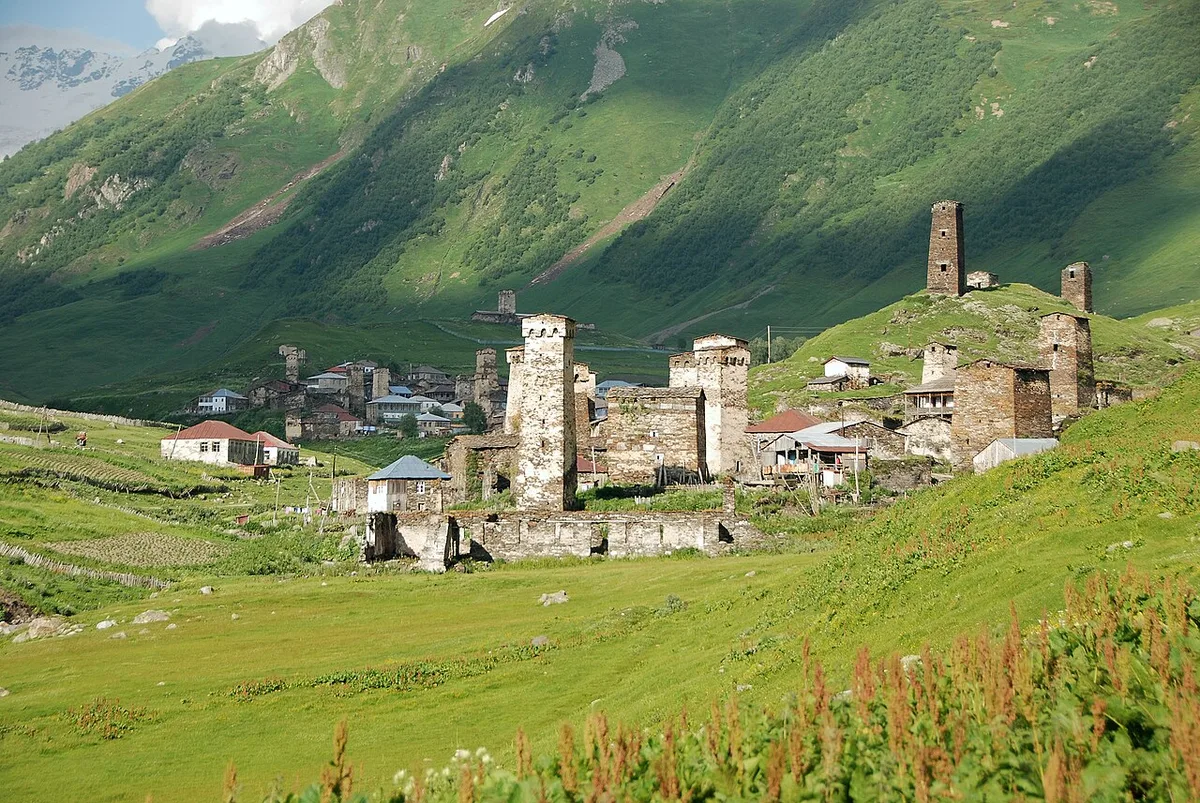
Ushguli's mountain villages, green fields and Svan towers create a landscape where settlement and terrain are immediately connected. Georgia's official travel guide places the community beneath the high peaks of Svaneti and emphasizes its distinctive built heritage. An OZomb story could follow a fictional village trying to preserve cooperation as information from elsewhere becomes unreliable. The towers supply a memorable visual language, but weather, everyday work and relationships would carry the longer narrative. This is a living cultural landscape, with residents and history beyond the role of an imagined refuge.
A living mountain settlement has stronger community logic than a deserted outpost, but seasonal access and service constraints matter.
The tradeoff: Beautiful remoteness also makes an ordinary medical or supply problem harder.
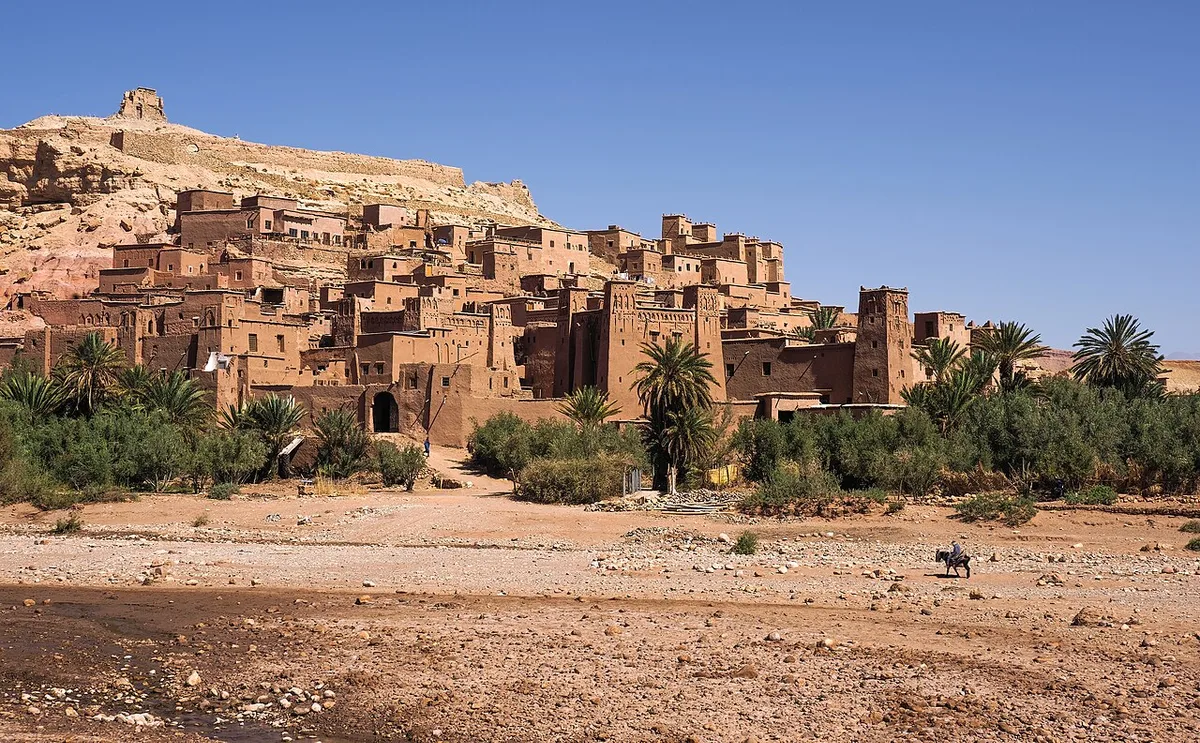
Aït Benhaddou is a ksar of closely grouped earthen buildings, defensive walls and corner towers in southern Morocco. UNESCO describes both dwellings and communal spaces within this distinctive architecture. An OZomb story could use that collective form to explore what a refuge actually requires from its inhabitants. The skyline offers an arresting first impression, while maintenance, shared work and decisions about scarce supplies provide the continuing drama. Its fictional strength would lie in cooperation and care for the place, rather than assuming that age or walls make a settlement self-sufficient.
Historic compact architecture has narrative value, but climate and a limited resource margin lower its long-term score.
The tradeoff: Beautiful walls do not solve heat, water and continued maintenance.
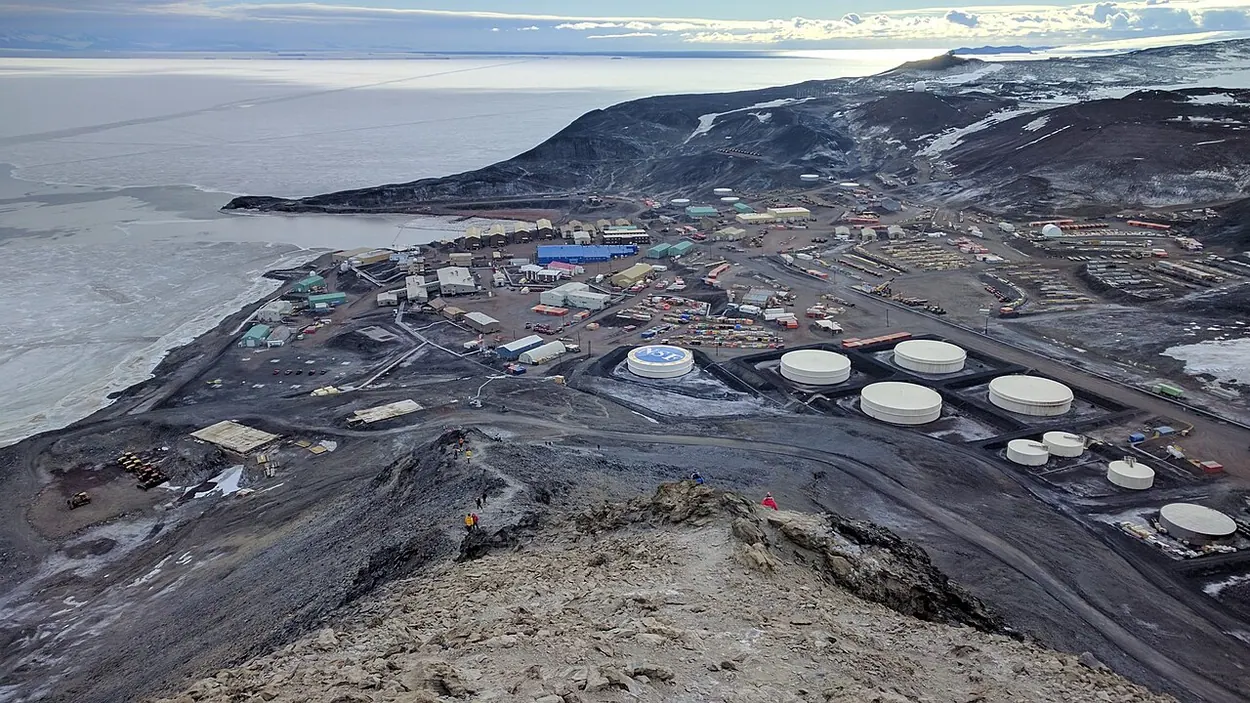
McMurdo is a working Antarctic research station, not an empty fortress waiting for fictional survivors. Its polar setting creates a powerful barrier in a story, but maintaining heat, equipment and supplies would dominate every day. The dramatic question is whether a well-organized team can keep its systems running when outside support becomes uncertain. The cold is an immediate threat regardless of what the zombies do.
Its isolation is compelling, but an Antarctic research station is a support-dependent workplace rather than a self-sustaining town.
The tradeoff: The same isolation that blocks an outbreak can block resupply.
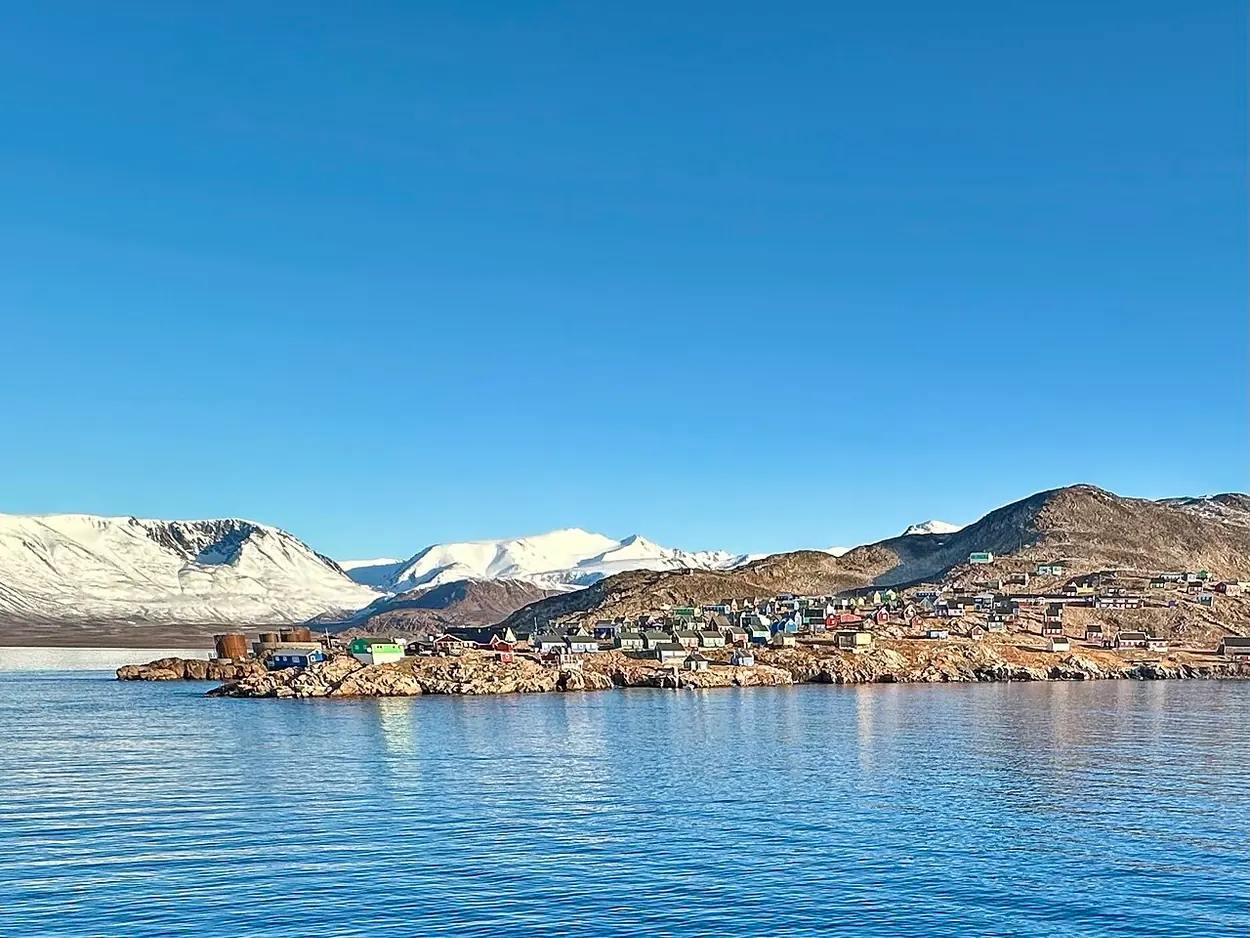
Visit Greenland describes Ittoqqortoormiit as Greenland’s most isolated town, beside a vast fjord system and the national park to the north. That separation gives it immediate appeal as a zombie-story setting. The harder chapter begins with the climate and the needs of daily life. A believable refuge here depends on local knowledge, reliable shelter and cooperation, not simply reaching a remote point on a map.
Distance scores highly; harsh conditions and dependence on a small logistical system pull the overall rank down.
The tradeoff: Cold, specialized supplies and outside connections remain central.
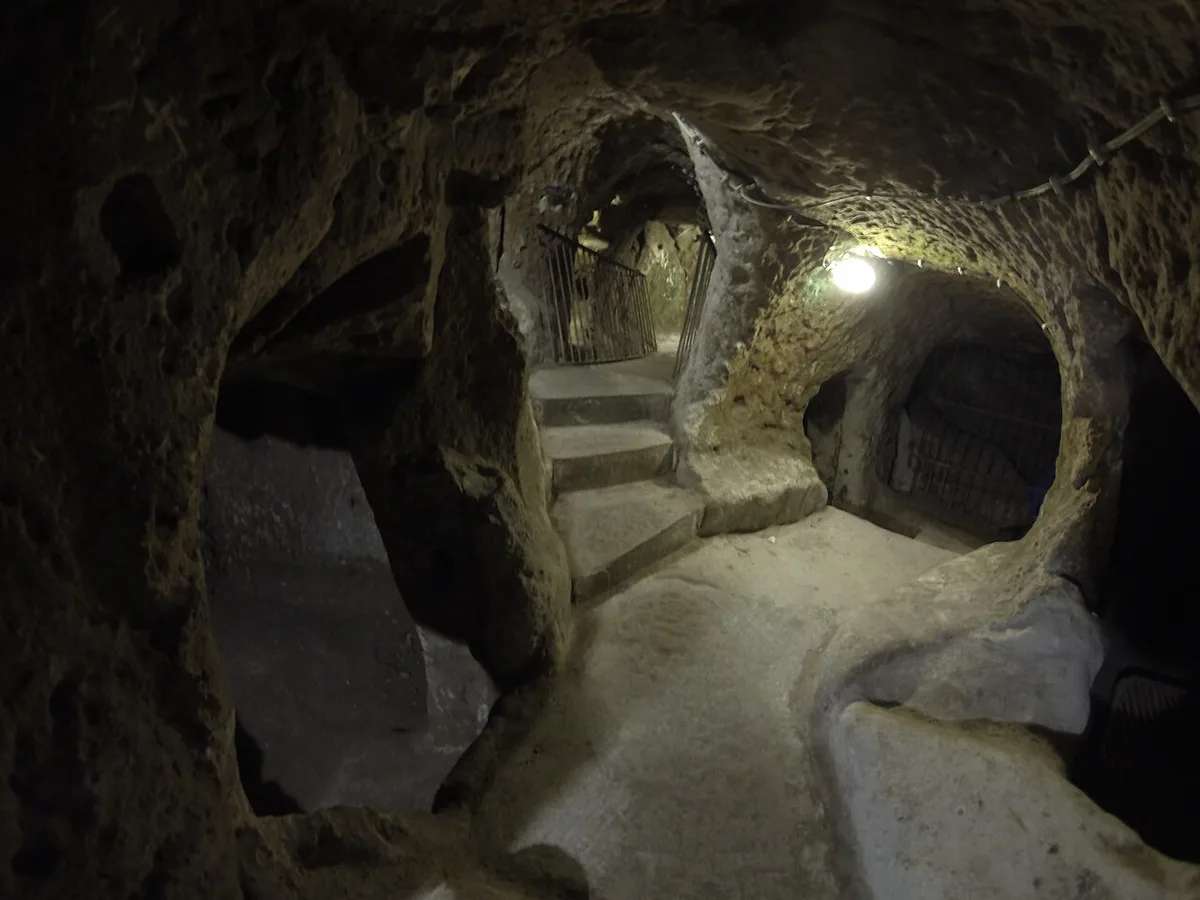
Derinkuyu's historic underground spaces include rooms beside narrow passages, ventilation shafts, a chapel and a well, excavated from the region's soft rock. That real architecture offers an immediate fictional question: what happens when the outside world becomes the place people fear? An OZomb story inspired by it could make sound, communication and dependence on shared systems more important than a distant skyline. The suspense would come from living together below ground and maintaining essential routines. Historical ingenuity supplies inspiration, not a claim that the protected site is a modern survival facility.
Concealed underground architecture makes a gripping temporary refuge concept, but a historic site is not a functioning underground city today.
The tradeoff: Water, ventilation and sustained supplies matter more than the number of tunnels.
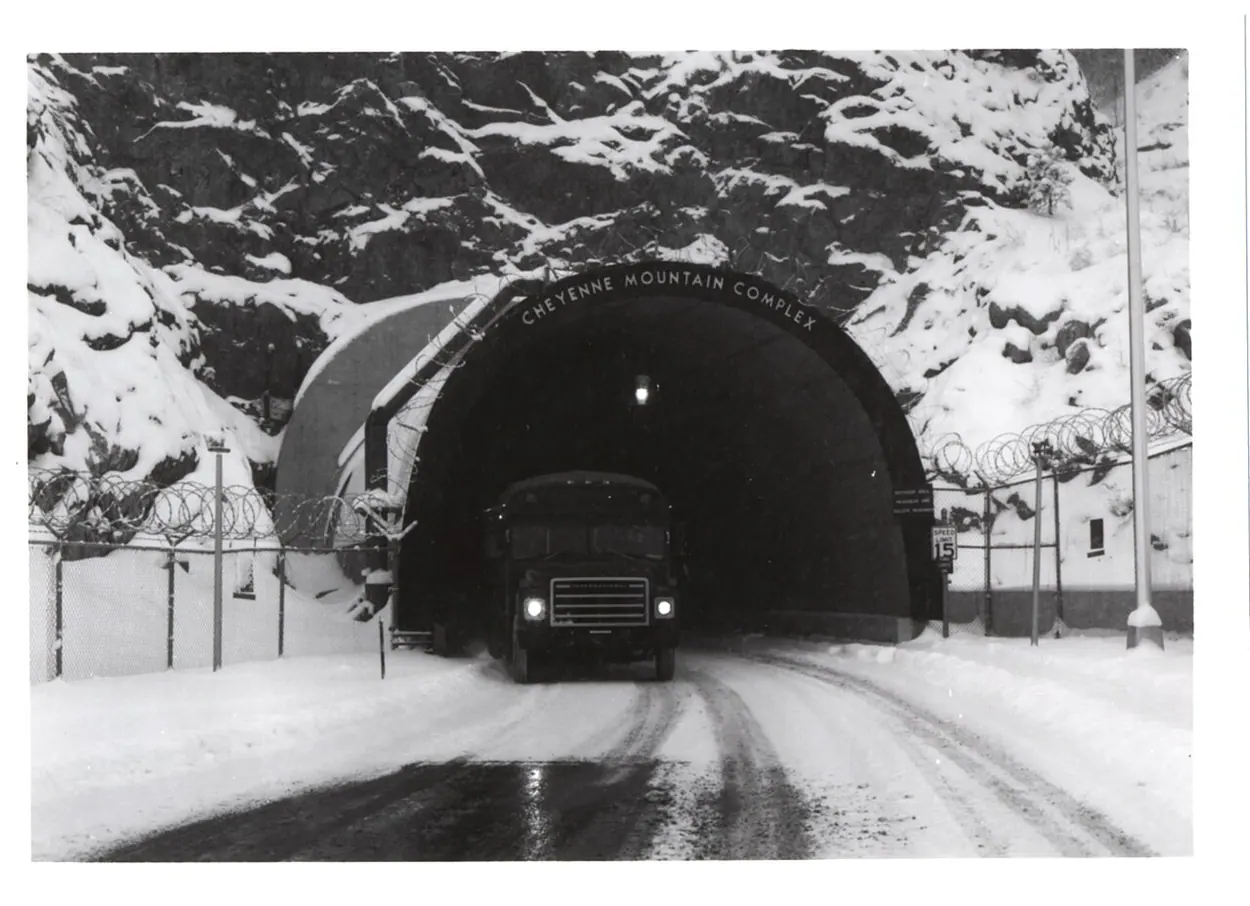
Cheyenne Mountain’s military complex is an obvious inspiration for the hardened-facility chapter of an apocalypse story. Its real role belongs to national defense, and it is not a public shelter or a destination survivors can assume they may enter. As fiction, it shifts the problem from finding strong walls to maintaining a specialized facility and deciding how an organized community relates to the world outside.
Engineered protection is impressive; access and dependence on controlled support systems severely limit the premise.
The tradeoff: This is a restricted military installation, not an available public refuge.
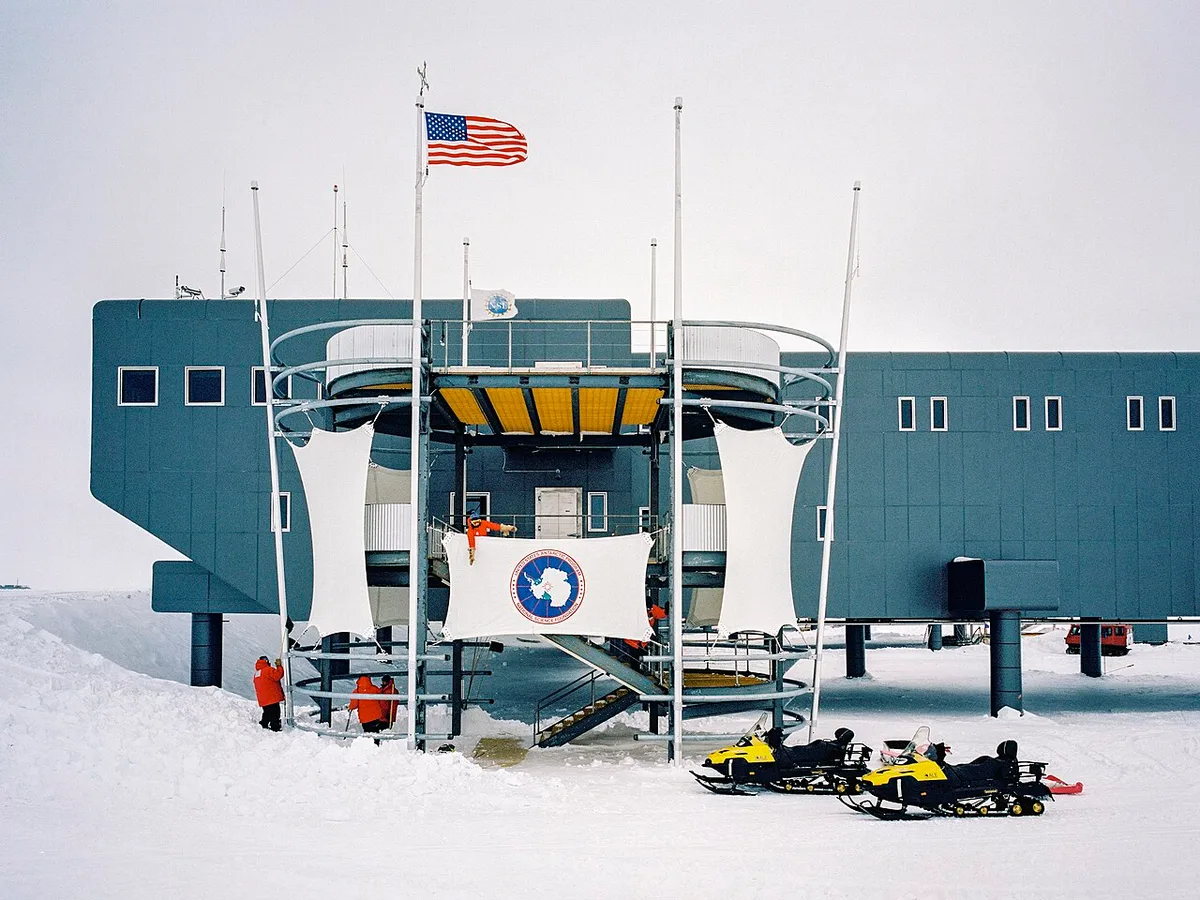
Amundsen–Scott is a working research station at the geographic South Pole, surrounded by a polar desert and extreme cold. NSF describes seasonal resupply and a purpose-built elevated station, details that suggest an OZomb story about systems rather than walls. A fictional team could be physically distant from the outbreak while remaining tied to the world through fuel, food and specialized equipment. The suspense comes from keeping essential services functioning through a long isolation. Reaching the station would begin the story; maintaining a capable, cooperative team would sustain it.
Extreme separation is overwhelmed by the demands of surviving at a supplied polar research station.
The tradeoff: Specialized life-support and logistics give the fictional group little margin.
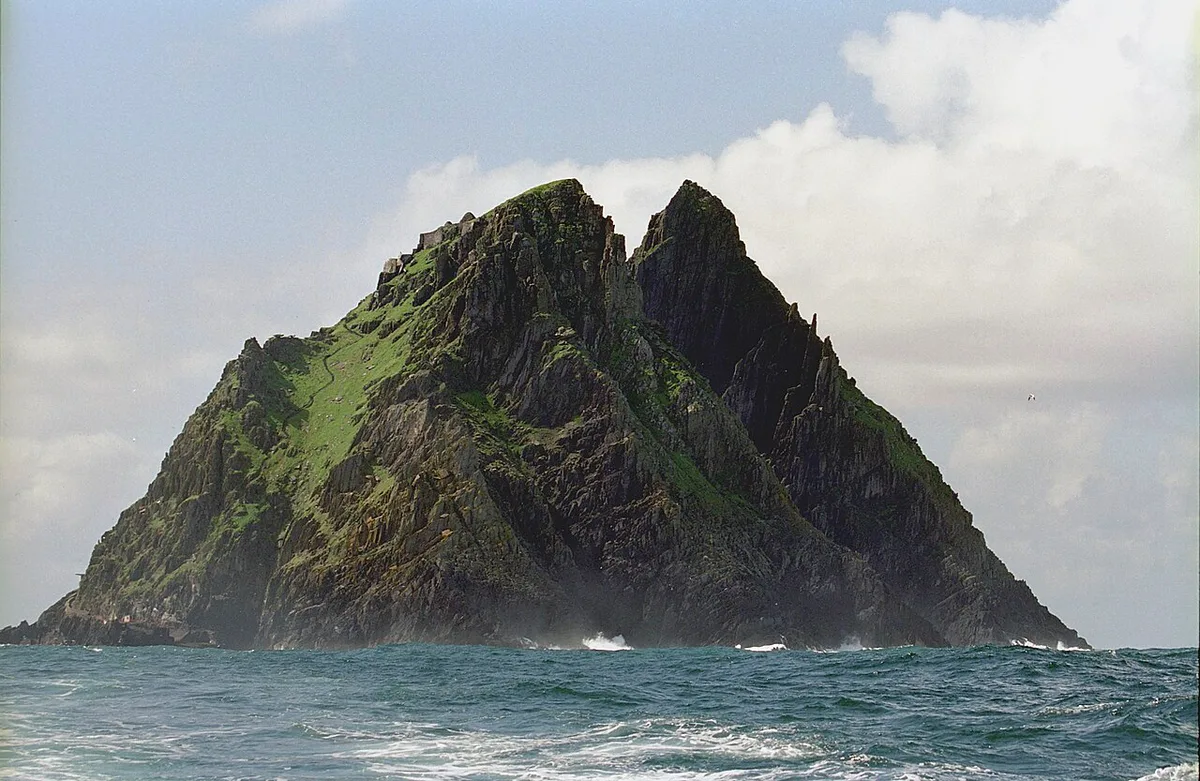
Skellig Michael's steep Atlantic rock and early monastery create a haunting image of withdrawal from the world. Heritage Ireland describes demanding steps and access through permitted boat operators, making the journey part of its real character. In an OZomb story, isolation could offer a brief emotional refuge while exposing how little a dramatic island alone provides. Weather, shelter and communication would dominate the next scene. The monastery is a vulnerable heritage site, so imagine a fictional counterpart inspired by its atmosphere rather than treating the protected island as an available survival camp.
Extraordinary scenery cannot compensate for the limited space and absence of a normal working town.
The tradeoff: A protected monastic landmark is a setting to study, not a practical place to move into.
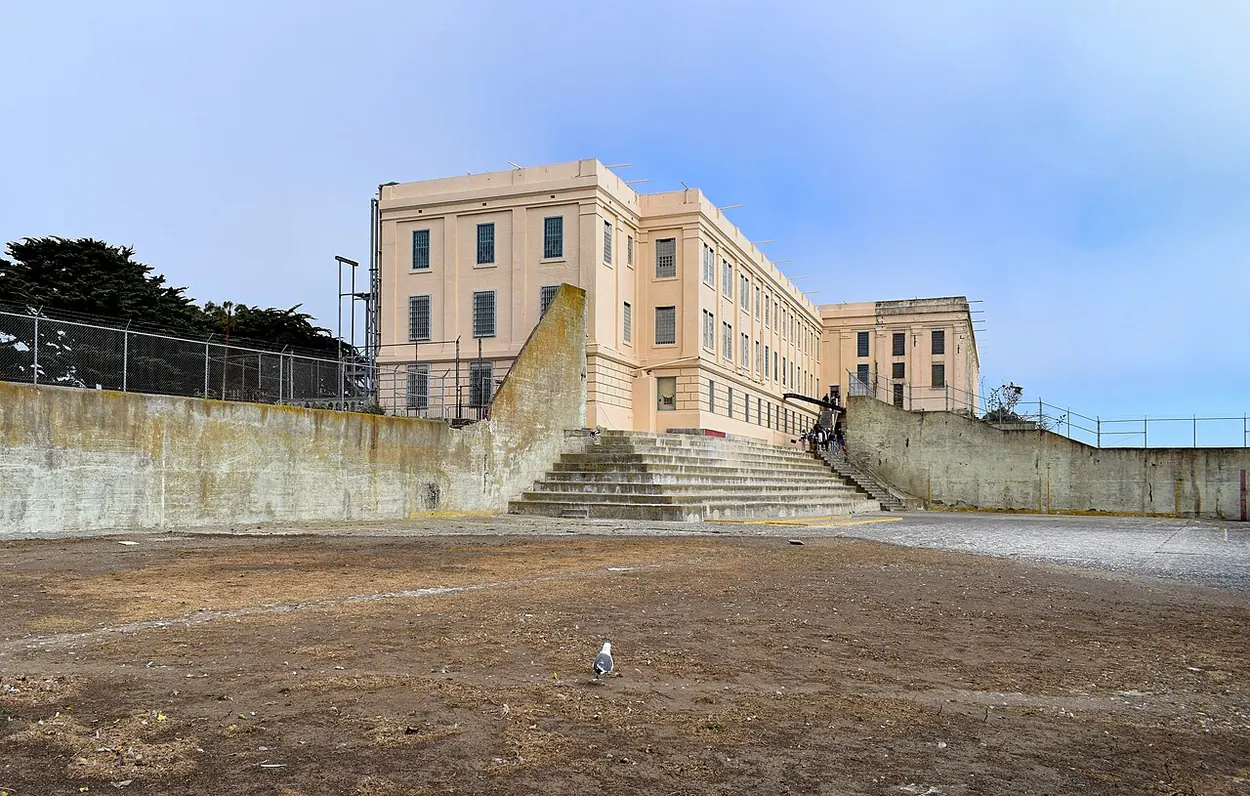
A former island prison makes an instantly recognizable fictional stronghold: separation by water, substantial buildings and a dramatic view of a threatened city. The real Alcatraz is a National Park Service site, reached by ferry. In a story, the same isolation that restricts arrivals would complicate routine supplies. Its appeal is the atmosphere of containment; its weakness is assuming walls can solve every household need.
The water barrier and iconic buildings make a superb siege setting; limited independent resources make it a poor long-term home.
The tradeoff: A prison landmark is not a ready-made food, water and healthcare system.
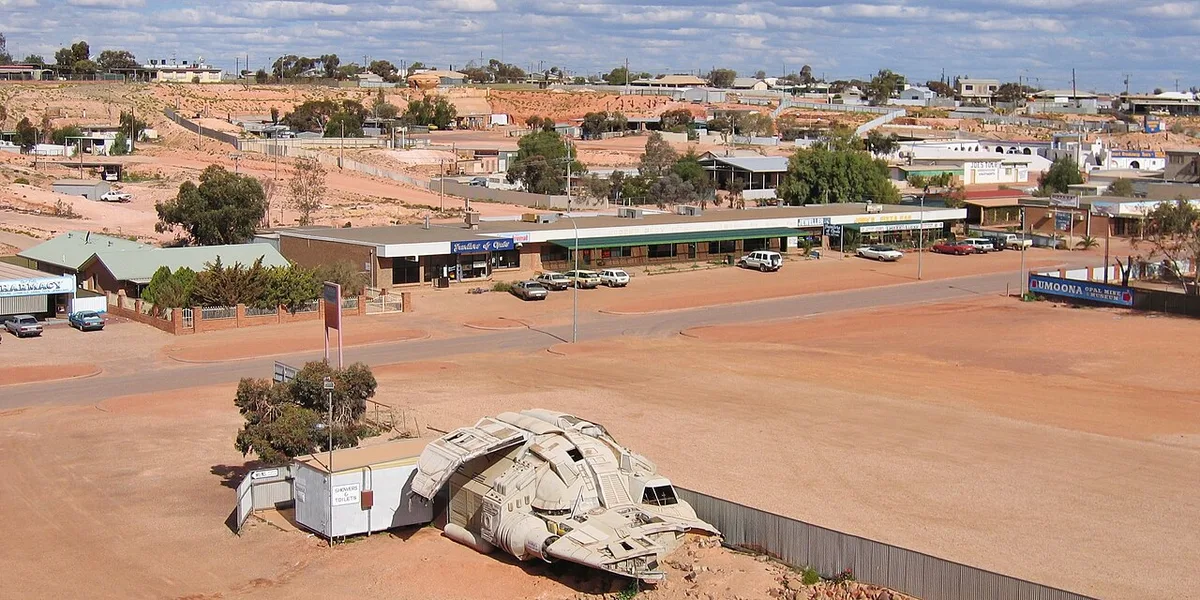
Coober Pedy is an opal-mining town known for dugout homes, underground accommodation and a stark outback landscape. It gives an OZomb writer a refuge idea that moves below the skyline instead of behind castle walls. The fictional tension could turn on the contrast between cool interior rooms and the exposed journeys needed to keep a community supplied. Underground architecture is an evocative starting point, but it does not erase the needs of ordinary life. Build the story around residents, shared infrastructure and resource decisions rather than treating every mine opening as usable shelter.
A functioning town and underground shelter are more useful than an abandoned bunker, but desert water and heat keep the rank modest.
The tradeoff: Shelter from heat is one part of a much larger resource problem.
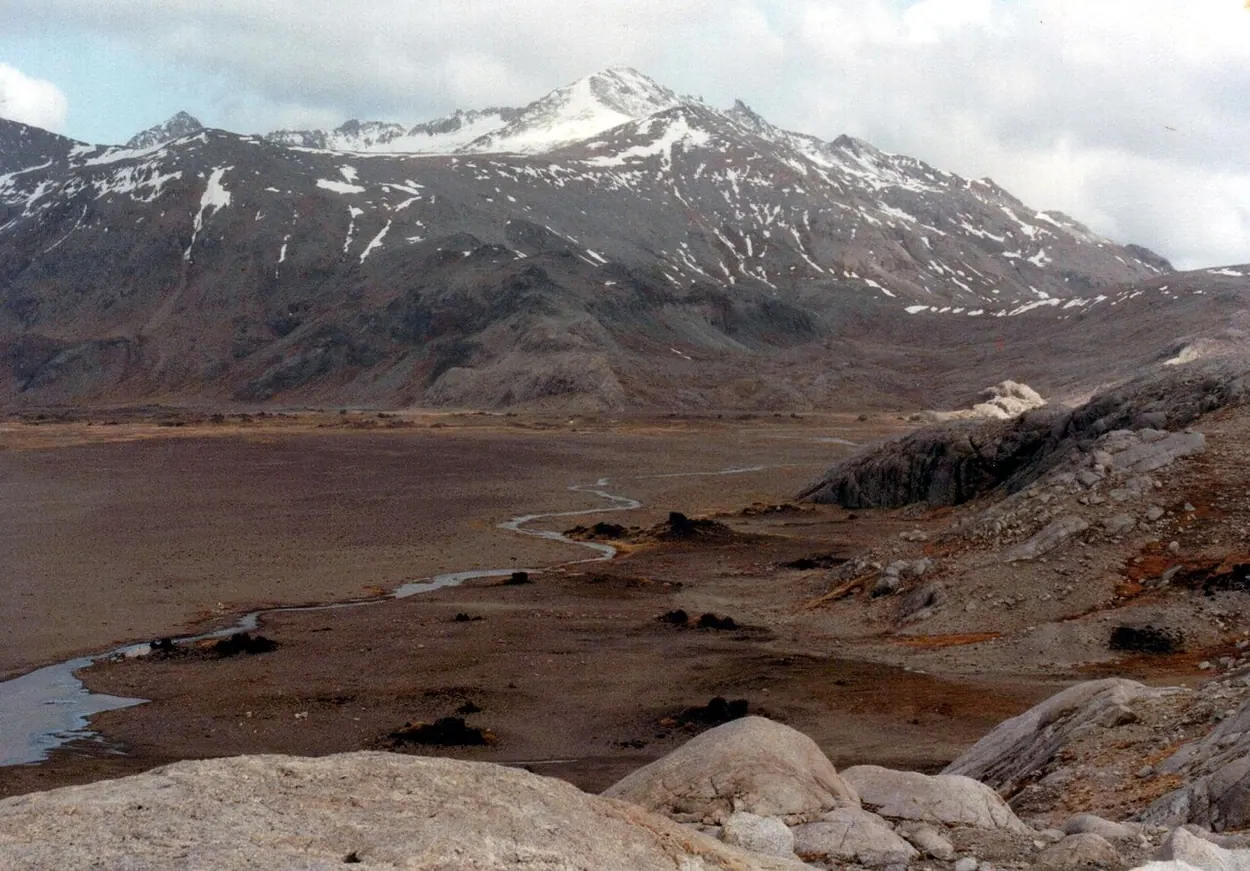
The Kerguelen archipelago and its Port-aux-Français base offer a stark southern-ocean setting. French research and support operations give this landscape a real human purpose beyond the dramatic scenery. In fiction, isolation can reduce contact with an outbreak while raising the stakes of every supply arrival. The question is less whether a crowd can walk here and more whether a small community can remain supported.
An enormous ocean barrier cannot replace food production, shelter systems and medical support.
The tradeoff: A remote scientific outpost offers few fallback options.
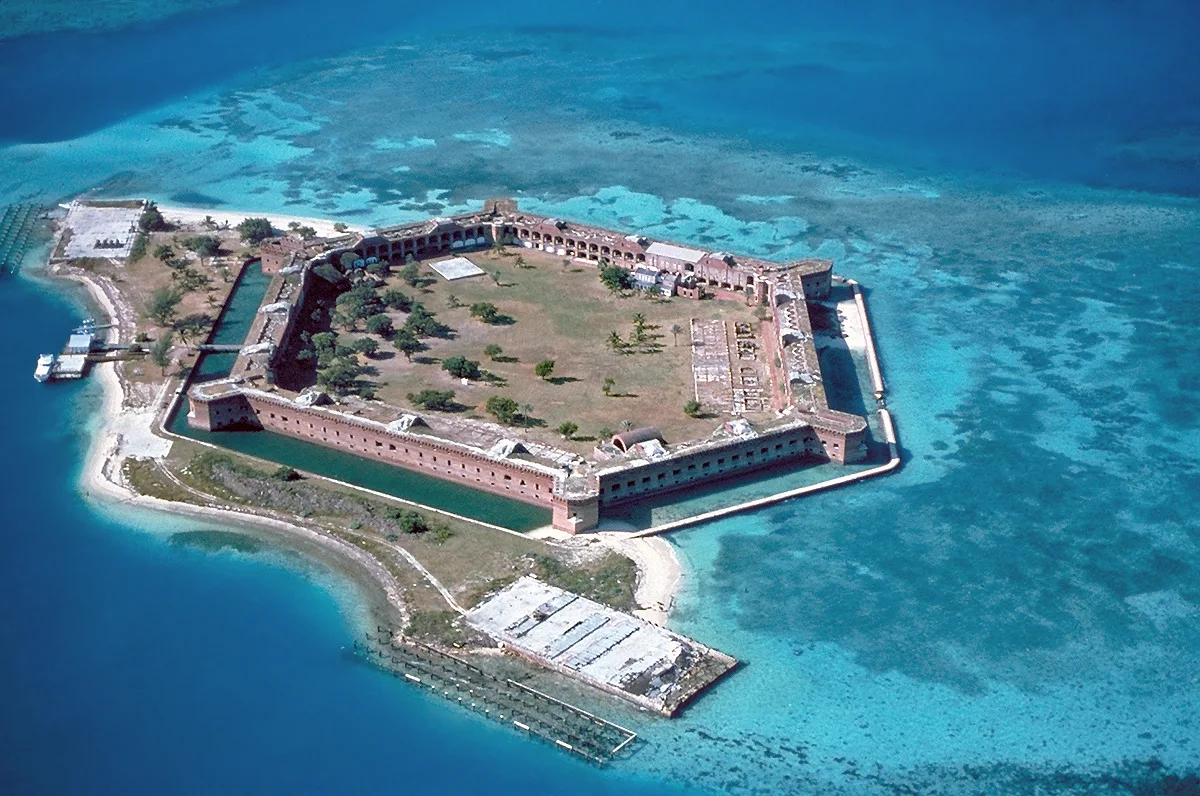
Fort Jefferson rises from the Dry Tortugas amid clear blue water, reached in real life by boat or seaplane. Its monumental geometry makes an immediate cinematic setting for a fictional siege. An OZomb story could contrast the apparent certainty of brick walls with the uncertainty of an approaching supply boat. The island setting would not solve the everyday needs of a community, and a historic fort is not a self-sustaining modern settlement. The compelling chapter is the effort to keep people supported after the dramatic arrival.
Fort walls and surrounding sea create an excellent short siege story, but very little of a long-term living system.
The tradeoff: Heat, water and resupply deserve more weight than impressive masonry.
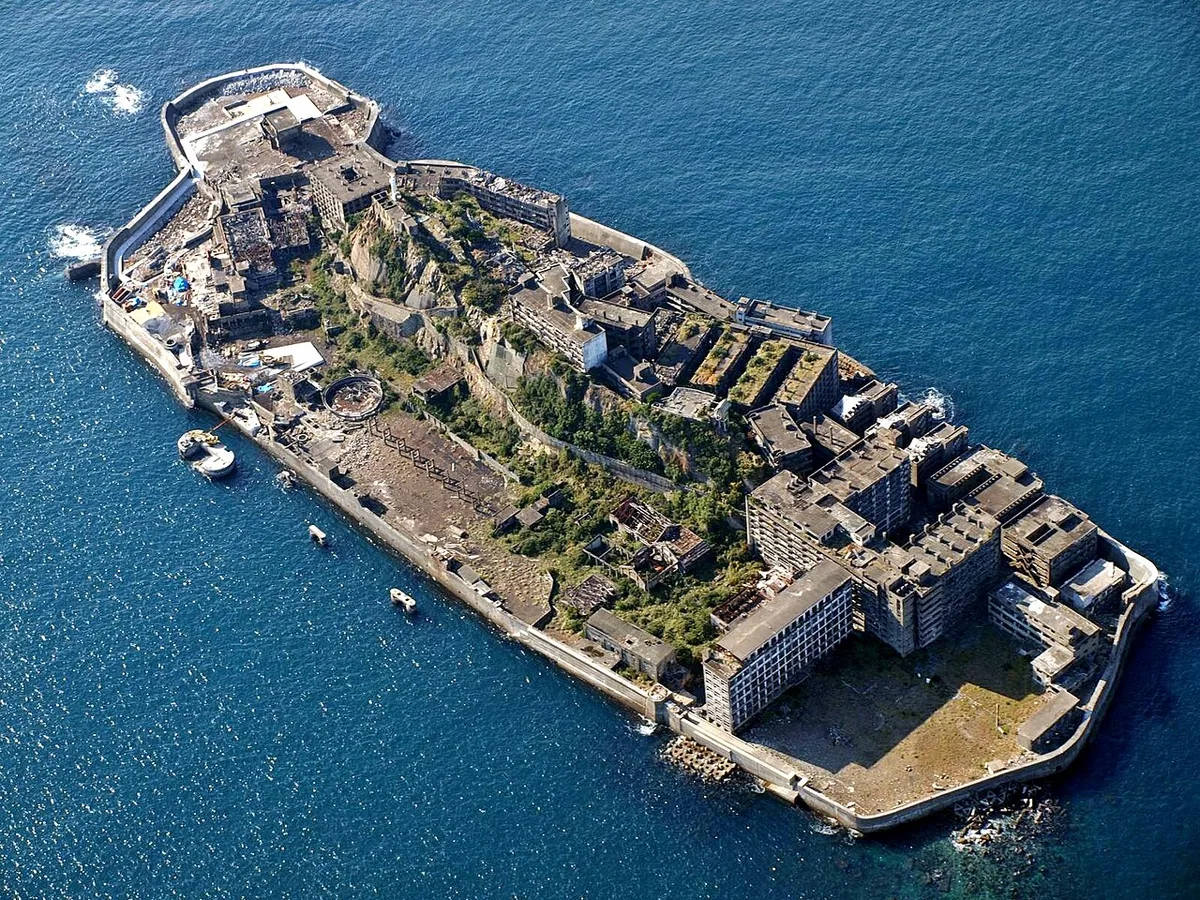
Hashima's abandoned coal-mining buildings and seawall form the battleship-like profile that earned it the name Gunkanjima. Japan's national tourism organization describes an island reached through organized tours, with conditions that can interrupt visits. In fiction, its dense concrete skyline is a compelling false promise: survivors might see shelter before they understand the condition of the structures. An OZomb counterpart could turn that first impression into a story about inspection, supplies and difficult choices. The real ruins provide atmosphere, rather than evidence of a functioning refuge.
The abandoned concrete skyline is atmospheric, but it lacks the functioning community and everyday systems favored by this ranking.
The tradeoff: An abandoned island cannot be treated as a ready-to-occupy settlement.

 01FIRST CHOICE