The dead return. The unsettling idea is persistence: something that should have stopped keeps coming.
The undead archive
Lore & hordes
Before the horde, there was a story. Trace the origins and rules of the undead.
Illustration · Credits
ROOTS / HAITIAN FOLKLORE
The fear of losing yourself.
The Haitian zombie tradition is tied to the history of enslavement and the terror of losing freedom and agency. This figure is quite different from the flesh-eating horde of contemporary entertainment: the central horror is control over a person, rather than a crowd chasing its next meal.
That distinction matters. Treating a living culture as a ready-made monster story strips away the history behind the image. Our modern movie vocabulary is only one chapter in the zombie’s evolution.
Read the cultural history ↗READ THE RULES
Not every outbreak is the same.
Folklore, reanimated corpses and living infected characters belong to overlapping traditions. Start with the rules of the story.
A living person is transformed by an invented condition. Infection stories may borrow zombie imagery without literally raising the dead.
Slow movement creates a problem of numbers, fatigue and confinement. Distance feels manageable—until the exits disappear.
Speed changes the rhythm. The story becomes less about the long siege and more about decisions made under immediate pressure.
WHY THE MONSTER LASTS
The horde holds up a mirror.
A zombie story can turn everyday anxieties into something visible: losing control, becoming isolated, following a crowd, or watching familiar systems stop working. The monster gives those fears a shape.
That is why the people inside the shelter are often as interesting as the creatures outside. Who shares? Who takes charge? Who is excluded? The outbreak removes normal routines and makes those choices impossible to ignore.
FIELD FILE / THE HORDE
The crowd changes everything.
One zombie threatens a person. A horde reshapes the world: the street becomes a barrier, the shelter becomes a question, and time starts working against everyone inside.
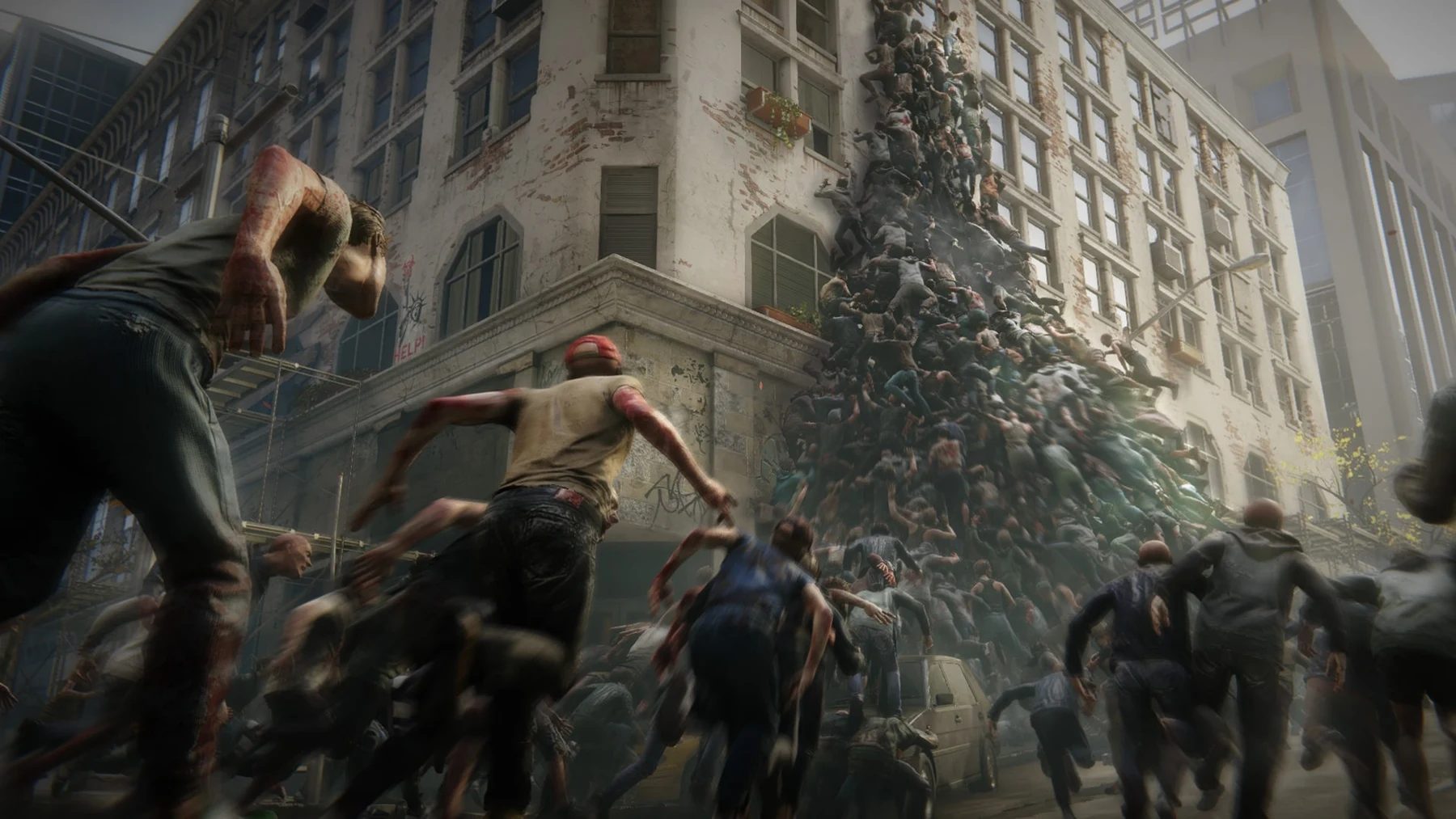
Horde, herd or swarm?
A horde emphasizes overwhelming numbers. A herd suggests creatures following a shared cue. A swarm makes the mass feel fast, fluid and almost like one organism. The rules belong to the fictional world.
Choose the outbreak.
Compare the kind of tension each horde creates.
PRESSURE THROUGH PERSISTENCE
It does not need to catch you today.
A slow herd trades speed for patience. Characters may stay ahead of it for a while, but exhaustion, blocked routes and the need to stop gradually reduce their options.
THE STORY’S CLOCKHours becoming days
THE KEY TENSIONSpace running out
WATCH THE CHARACTERSDo they wait too long?
Small signals. Bigger crowds.
Many outbreak scenes begin with a few creatures and grow through repeated attraction. A sound draws attention; movement draws more; the next disturbance makes the group larger. Once a story has established that rule, an ordinary action can carry suspense without a monster appearing on screen.
The interesting question is consistency. If noise matters in one scene and not another, the audience needs a reason. A convincing horde feels governed by the world’s rules even when the characters do not understand them.
The map becomes the antagonist.
In an empty street, a character has choices. Add a mass of bodies and those choices narrow. Doorways, stairwells, corridors and vehicles change the shape of a scene because they control movement and visibility.
Good horde storytelling makes the setting legible. The audience can see the destination, recognize an obstruction and feel the cost of a wrong turn. Scale matters, but understandable space is what makes that scale frightening.
A slow threat can still win the scene.
Speed is only one source of pressure. A slow-moving crowd can make rest impossible or turn a delay into a crisis. The threat is cumulative: people become tired, disagreements grow and tasks take longer than expected.
A fast swarm compresses those decisions into seconds. It produces a different rhythm—less deliberation, more interrupted plans. Neither style is automatically scarier; each emphasizes a different human limitation.
The horde outside exposes the group inside.
Once escape becomes difficult, the story shifts toward trust. Who shares information? Who changes the plan without telling anyone? Who refuses to leave someone behind? Those choices give the crowd emotional meaning.
Without people worth following, a thousand creatures can become background noise. With clear relationships, a single blocked doorway can matter more than an enormous spectacle.
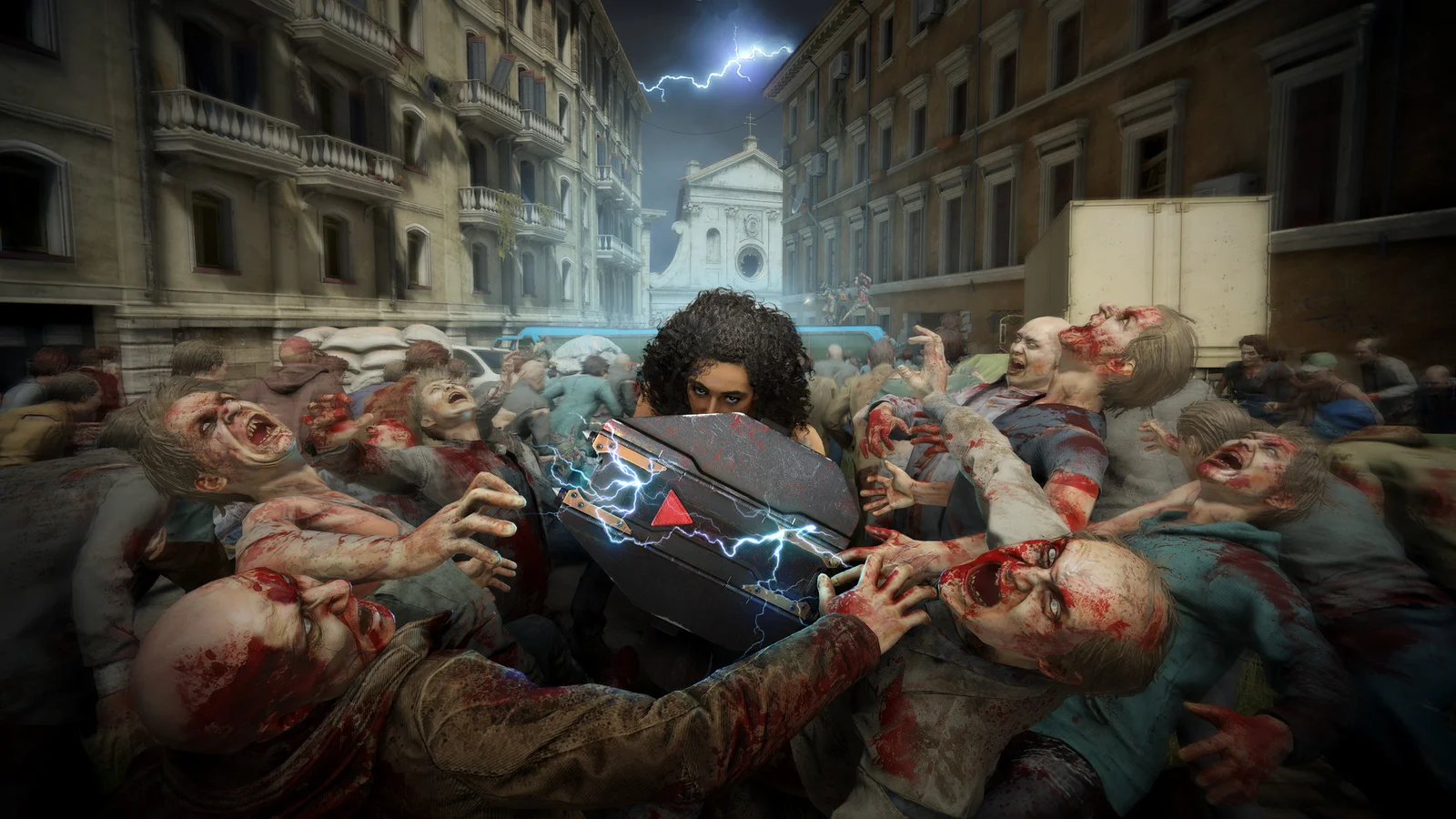
IN PLAY / CO-OP SURVIVAL
World War Z:
Aftermath
The crowd becomes the battlefield. Saber’s cooperative game uses massed swarms to turn streets, routes and team decisions into a fight for space.
Explore the game file →Official game page ↗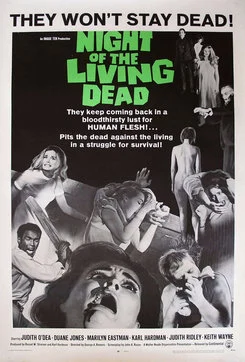
ON SCREEN / THE SOCIAL NIGHTMARE
Romero’s Dead films
Watch the people arguing inside the shelter as closely as the creatures outside. Romero’s films show why a crowd of monsters can carry a social argument.
Explore Romero’s work ↗Questions from the field.
Is there one official definition of a zombie?
No single fictional rulebook governs every story. Folklore, reanimated corpses and living infected characters belong to overlapping but different traditions. Look at the rules the particular work establishes.
Are the “experts” on OZomb medical authorities?
Our directory brings together filmmakers, authors, game creators and researchers in zombie culture. Each profile identifies the person’s work and role.
Where should I start exploring?
Try our film and television files, bookshelf and horde guide. For practical household preparation, use the survival guide and its linked official resources.
Does a horde have a hive mind?
Only if the story gives it one. Similar reactions to shared stimuli can make a group appear coordinated without any central intelligence. Other fictional worlds deliberately introduce control or collective awareness.
How many zombies make a horde?
There is no universal number. In a story, “horde” usually means enough creatures to overwhelm the characters’ normal options. Ten in a narrow corridor can change a scene as much as hundreds across an open space.
Why do game hordes feel different from movie hordes?
A film directs your attention through framing and editing. A game also asks you to make decisions, learn its systems and respond to feedback. Waves, routes and team roles can turn the crowd into a repeatable challenge.