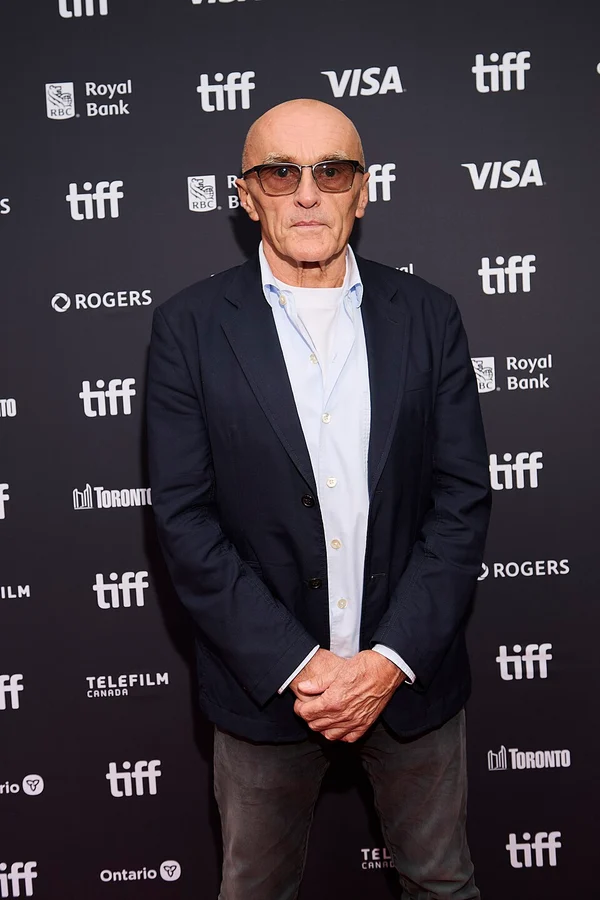
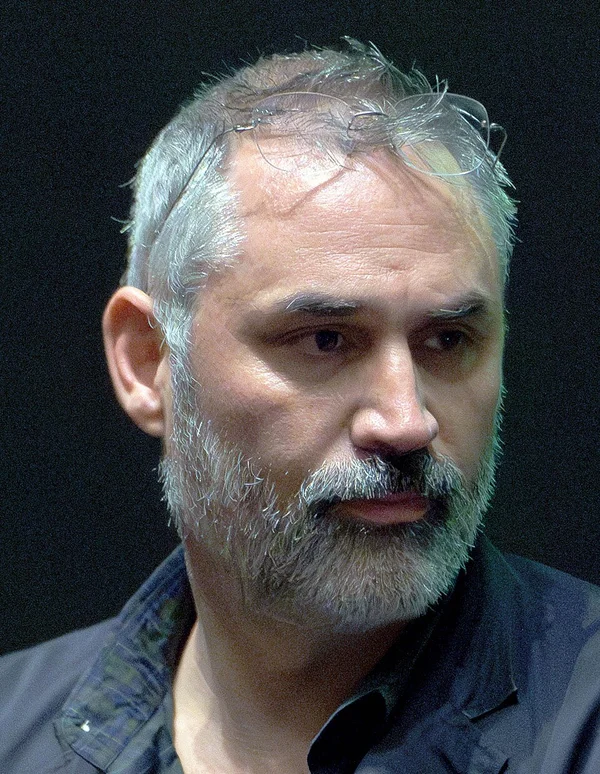
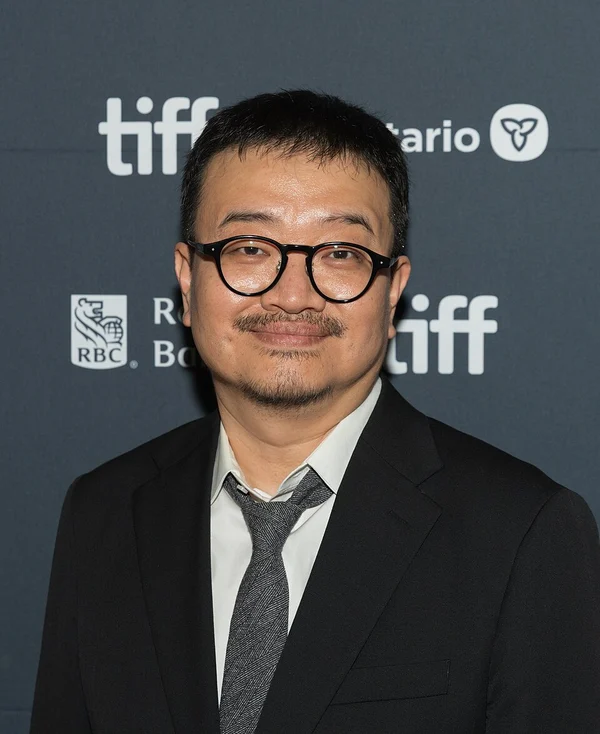
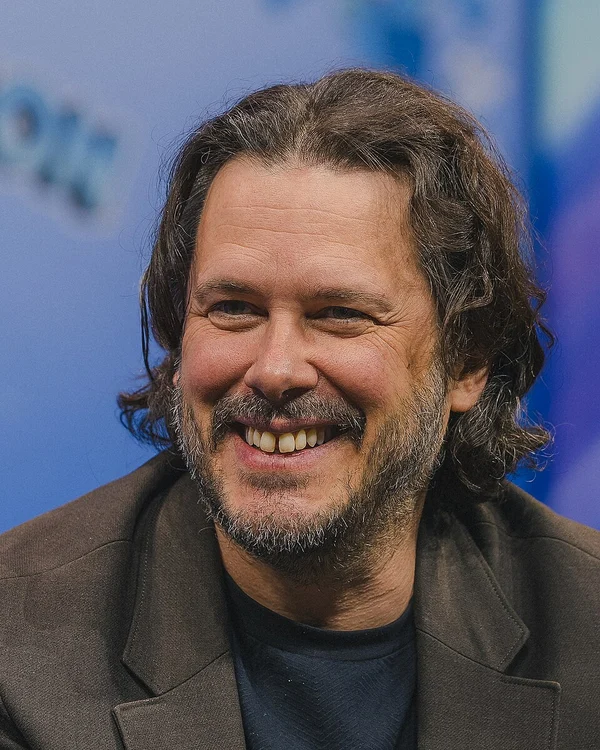
Fifty living experts, creators and celebrity wildcards, ranked by who OZomb would draft for a fictional zombie apocalypse—with real portraits and reasons for every pick.
Fieldcraft, medical thinking, zombie scholarship—and a few very familiar faces. This is OZomb’s official editorial selection, in order, with the case for every choice.
How we made the picks
An editorial entertainment ranking: documented fieldcraft, preparedness, medicine and coordination lead; zombie scholarship, creative work and affectionate celebrity casting fill out the roster. Screen roles are not survival qualifications. Current living status was reviewed from public sources; no endorsement is implied.
Documented practical expertise leads the draft. The celebrity entries are playful casting choices inspired by their work; the abilities of fictional characters stay in the fiction. Rank is OZomb’s editorial judgment for an imagined scenario.
Living status and career sources were checked Oct 31, 2026. Public profiles and recent activity informed that check; the source notes retain any evidence limits. Earlier creators remain in the history & further voices file.
THE COMMUNITY HAS A SAY
Who is missing from the team?
OZomb’s official list is our editorial call. If your pick deserves a place, send their name and tell us why. Suggestions go to review before any list changes.
Nominate a teammate
50 teammates
Original rank numbers stay visible when filtering.
01
Preparedness & science
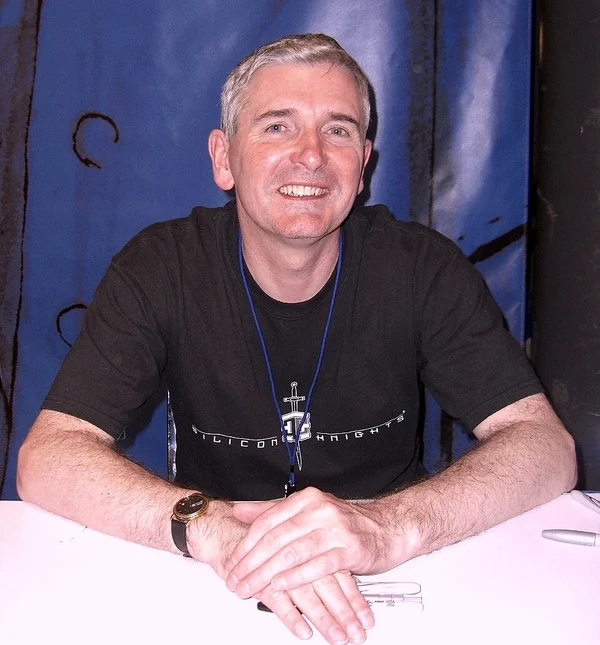
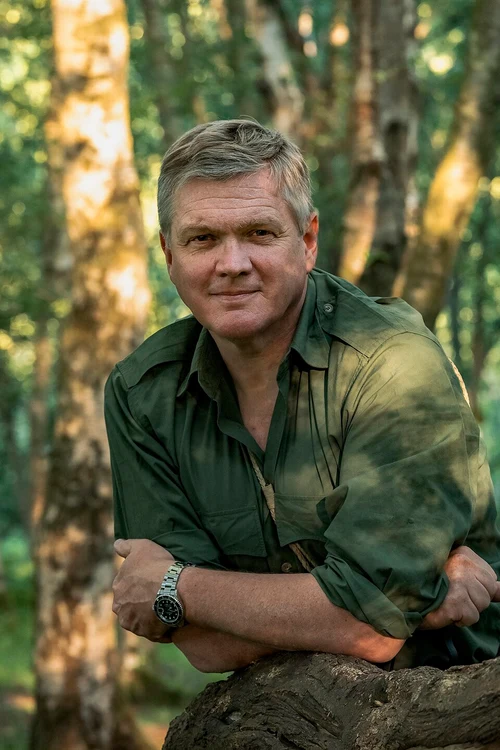
Ray Mears
Fieldcraft lead
Woodlore & bushcraft education
Why they are on the team
Our first pick brings a career built around teaching bushcraft and understanding the landscape. In this fictional draft, finding a workable camp beats finding a dramatic rooftop.
The catch The forest still expects us to learn the skills. It does not hand out extra lives.
Background & sources
Founded Woodlore, the School of Wilderness Bushcraft, in 1983 and teaches bushcraft and survival to civilian and military students. His official biography documents extensive tracking, plant-knowledge and wilderness learning. He is a practical bushcraft wildcard, not a zombie-media performer; no medical qualification is implied.
The Zombie Survival Guide and World War Z are only part of the pitch: Brooks also works with institutions on disaster and security questions. We want the person asking what happens after the exciting first night.
The catch Writing the plan earns a high pick. Keeping everybody supplied would still be a team job.
Background & sources
Brooks approaches zombie fiction through meticulous world-building. World War Z and The Zombie Survival Guide imagine how people and institutions respond to catastrophe.
A physician, psychiatrist and author of The Zombie Autopsies belongs near the front of our draft. Clinical thinking and an interest in how frightened people behave sound useful when the group chat becomes a barricade committee.
The catch We would respect his actual medical specialty rather than assign him every job in a fictional field hospital.
Background & sources
Schlozman uses fictional zombies to explore neuroscience and the appeal of horror. He wrote The Zombie Autopsies, bringing a medical perspective to an imagined outbreak.
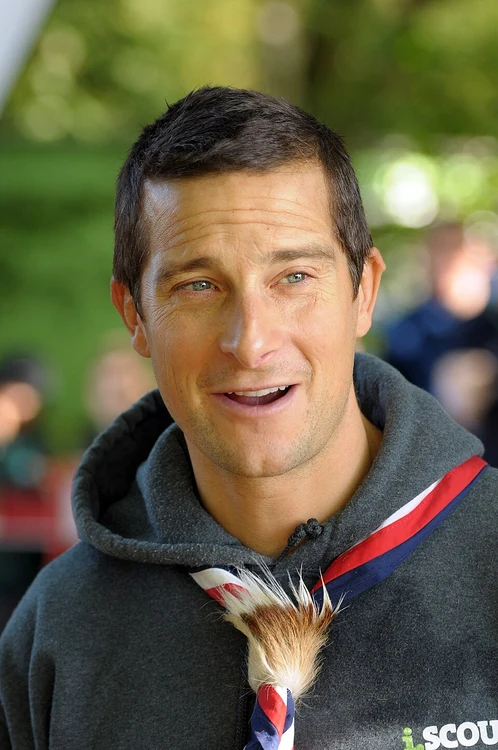
Grylls joins for documented outdoor and survival experience rather than a zombie film credit. In our imagined team, he helps turn a pile of expensive gear into questions about shelter, weather and the route home.
The catch We would leave the television-sized stunts off the household checklist.
Background & sources
Official biography documents an outdoor-adventure career, Everest ascent, former SAS service, survival television and the Bear Grylls Survival Academy. He is a practical outdoor wildcard, without needing a zombie acting credit. Television scenarios do not guarantee how anyone would perform in an actual emergency.
The Zombie Research Society founder has spent a lot of time taking an absurd question seriously. He gets our briefing seat for thinking through the rules before anyone confidently announces that the basement is probably fine.
The catch Zombie research here is speculative culture and preparedness discussion, not evidence that an outbreak has been clinically studied.
Background & sources
Mogk founded the Zombie Research Society and wrote Everything You Ever Wanted to Know About Zombies. His public-facing work connects zombie culture with speculative preparedness and genre discussion.
Theories of International Politics and Zombies asks how institutions respond to a fantastical crisis. That earns Drezner an early pick: after the gate closes, someone still has to negotiate the water rota.
The catch The committee may become longer than the shopping list. We are allowing one meeting before lunch.
Background & sources
Drezner uses a hypothetical zombie outbreak to explain competing theories of international politics. His work treats the undead as a thought experiment for understanding state behavior, cooperation, and how institutions might respond to a global crisis.
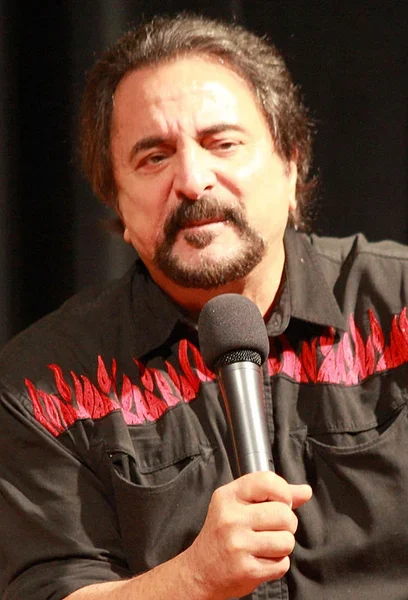
The Rot & Ruin author brings extensive zombie storytelling and a documented martial-arts background. Our fictional team would value that combination of practiced discipline and an imagination already familiar with terrible contingency plans.
The catch Book fights are still book fights. His real credentials do not make the rest of us action heroes.
Background & sources
Maberry explores the undead through the Rot & Ruin novels and zombie thrillers. His work spans young-adult survival stories and action-driven horror.
A career in practical creature effects and The Walking Dead makes Nicotero a strong pick for noticing details and making things work on a demanding production. We would give him the workshop and the suspicious-footprint briefing.
The catch A convincing fake wound is a filmmaking skill. The medical supplies stay with the medical plan.
Background & sources
Nicotero helped give The Walking Dead its decaying visual identity. His work combines prosthetic makeup, creature effects, and screen storytelling.
Lauro's scholarship follows the zombie through history, politics and culture. We want that perspective in a group tempted to treat every unfamiliar person as a plot twist. Understanding the story can improve the questions we ask.
The catch The Transatlantic Zombie belongs in our reading bag; it is not a wilderness qualification.
Background & sources
Lauro studies the zombie’s connections to slavery, resistance, and postcolonial history. Her books include The Transatlantic Zombie and the edited collection Zombie Theory: A Reader.
The author of American Zombie Gothic knows how zombie stories reflect their societies. In our draft, he is the person comparing the group's assumptions with the warning signs the genre keeps leaving on the table.
The catch Spotting a film trope does not automatically fix a leaking roof. We would bring both books and a repair kit.
Background & sources
Bishop studies zombie cinema as a form of cultural storytelling. American Zombie Gothic and How Zombies Conquered Popular Culture trace the undead’s changing meanings and appeal.
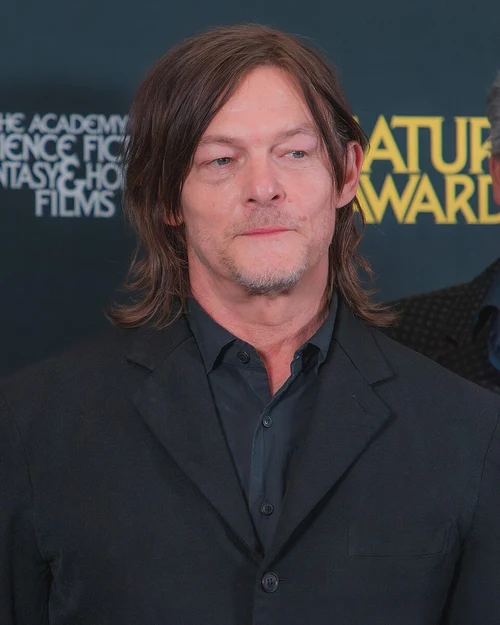
Years of playing Daryl Dixon make Reedus an irresistible casting pick for a zombie dream team. We are drafting familiarity with the genre, a recognizable face and a very strong campfire conversation starter.
The catch Daryl's feats belong to Daryl. A television crossbow is not included with the actor.
Background & sources
Portrays Daryl Dixon in The Walking Dead and its Daryl Dixon spinoff, and hosts Ride with Norman Reedus. Daryl's tracking and crossbow skill are fictional character traits; they do not establish Reedus as a professional survival instructor.
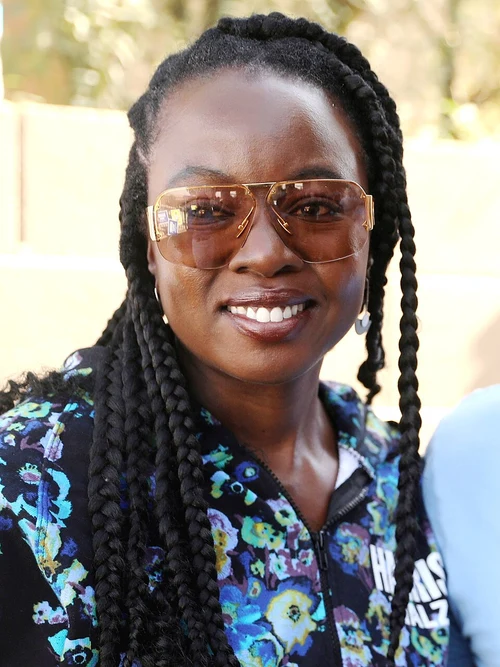
Gurira brings both Michonne's place in zombie culture and a substantial career as a playwright. Our fictional camp would value a voice that can hold a room and a performer who has helped tell long stories about rebuilding trust.
The catch The sword skills in a scripted scene are not a substitute for verified real-world training.
Background & sources
Portrays Michonne in The Walking Dead franchise and also writes plays. Michonne's katana fighting and apocalypse experience belong to the fictional character; no real-world professional survival or medical credential was established for Gurira.
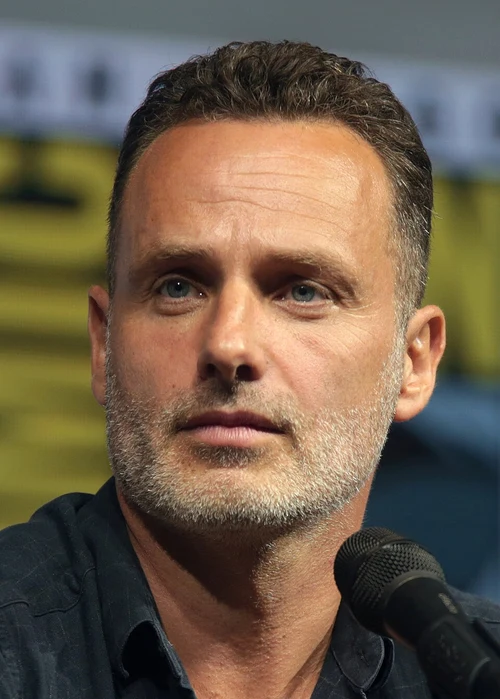
Rick Grimes gives Lincoln one of zombie television's most recognizable associations. As a playful draft choice, he brings years of working inside stories about groups under pressure—and everyone already knows whose name to shout dramatically.
The catch We would make real decisions together. Rick's authority is a character detail, not a job appointment.
Background & sources
Portrays Rick Grimes in The Walking Dead and The Ones Who Live. Rick is a fictional sheriff and survivor; the performance establishes Lincoln's acting experience, not personal policing, medical or survival qualifications.
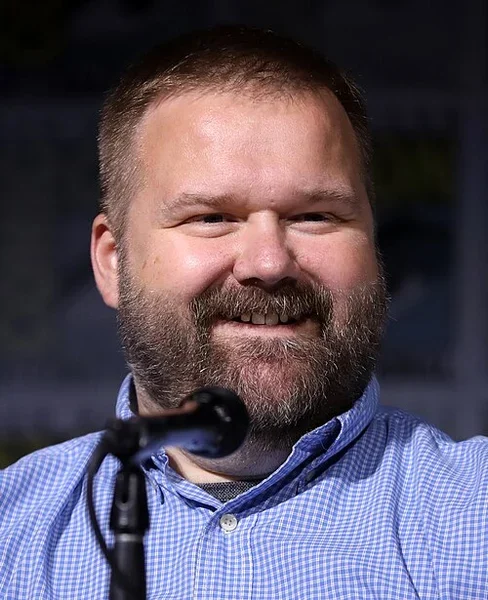
Kirkman helped build a zombie story that keeps asking what comes after the initial escape. We would draft that long view: food, relationships and fragile communities keep mattering after the thrilling opening chapter.
The catch We would politely request a quieter week than the ones he gives his characters.
Background & sources
Kirkman co-created The Walking Dead comic. Its long view of survival makes human relationships and rebuilding as important as the walkers.
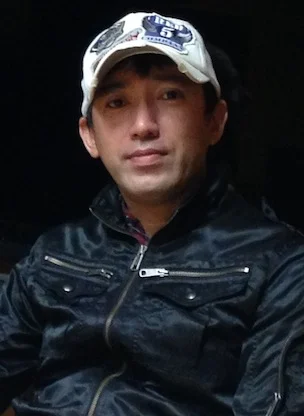
Resident Evil made limited supplies and uneasy spaces central to survival horror. Mikami earns a strong creative pick for a career spent shaping those decisions. We want someone who notices when the inventory plan has become wishful thinking.
The catch Our real backpacks will not gain extra slots when the difficulty setting changes.
Background & sources
Mikami directed the original Resident Evil and Resident Evil 4. His work helped shape survival horror through limited resources, hostile spaces, and carefully staged encounters.
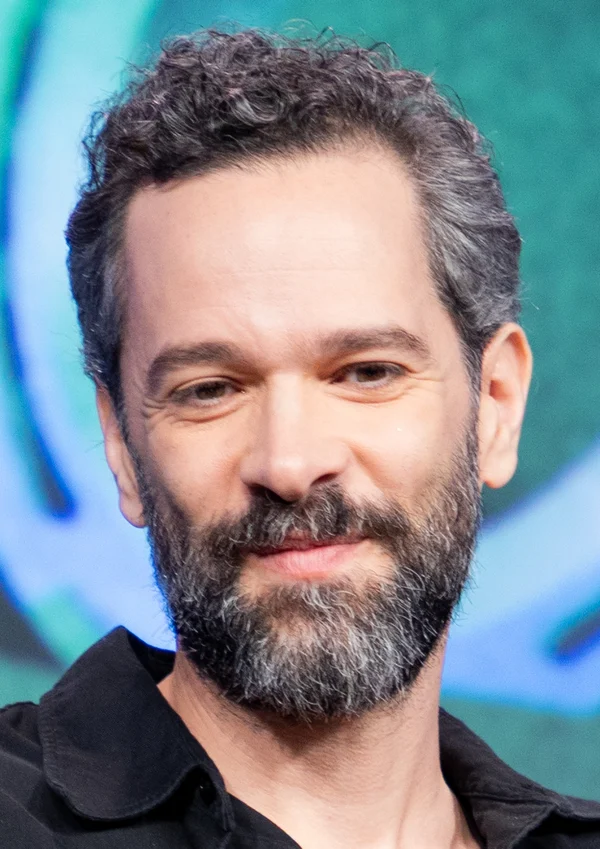
The Last of Us builds its outbreak around relationships as well as danger. We would draft Druckmann for that narrative attention to the people behind a plan, especially when an apparently simple choice has consequences for everyone.
The catch We are requesting fewer impossible dilemmas and more ordinary checklists.
Background & sources
Druckmann helped create The Last of Us. Its infected world uses a dangerous journey to examine attachment, grief, and the costs of protection.
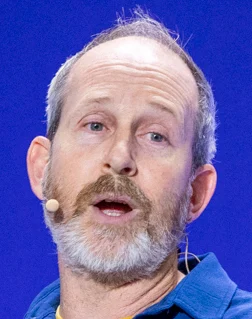
Straley's game-direction work on The Last of Us gives him a strong place in the creative side of our team. We would put that experience with spaces, pacing and shared problems into the scenario-planning discussion.
The catch A carefully designed game route is not proof that the real shortcut is safe.
Background & sources
Straley co-directed The Last of Us. His work helped connect environmental storytelling, tense encounters, and the evolving relationship at the game’s center.
Savini's effects work and directing place him at the foundations of modern screen zombies. His documented background also includes combat photography. Our draft values the real experience and practical craft without pretending a horror set is an emergency service.
The catch We would ask for the prop workshop first and resist requesting a dramatic makeover.
Background & sources
Savini’s makeup effects helped define the physical impact of Romero’s zombies. He also directed the 1990 remake of Night of the Living Dead.
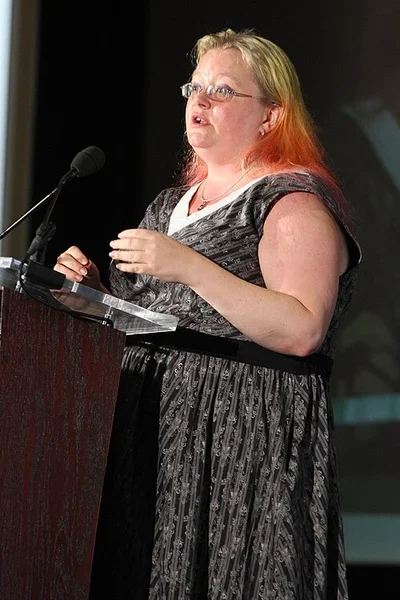
The Feed novels connect infection fiction with institutions, media and the everyday consequences of fear. We would give McGuire a seat at the table whenever our fictional plan starts assuming that biology is the only problem.
The catch Mira Grant is a pen name, so this is one teammate and one food ration.
Background & sources
Writing as Mira Grant, McGuire created the Newsflesh novels. Feed places journalism, politics, and public trust inside a society living with infection.
The Girl with All the Gifts gives the familiar outbreak a different set of questions. Carey is our pick for challenging a plan that sounds neat only because it has ignored the people at its edges.
The catch We would enjoy the thought experiment while leaving actual infection questions to qualified specialists.
Background & sources
Carey wrote The Girl with All the Gifts and its screen adaptation. The story examines infection, identity, and a possible future beyond humanity’s familiar boundaries.
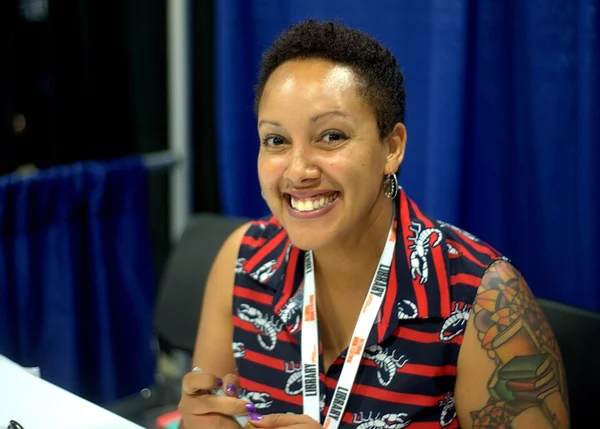
Dread Nation makes power and social structure part of the zombie story. Our fictional camp needs that kind of questioning voice: a useful plan has to work for the people doing the work, not just the person holding the marker.
The catch The meeting whiteboard does not get to nominate itself leader.
Background & sources
Ireland’s Dread Nation combines the undead with an alternate American history. It follows young fighters while examining race, power, and the rules imposed on them.
Kraus completed The Living Dead with George A. Romero's material, connecting individual lives to an enormous outbreak narrative. We would draft him for thinking beyond a single locked room and remembering how many stories meet at the same gate.
The catch Our practical wish is a much smaller cast and enough mugs for everyone.
Background & sources
Kraus completed The Living Dead from George A. Romero’s unfinished novel. The collaboration expands Romero’s social imagination across a sprawling outbreak narrative.
Survivor Song keeps care and difficult human choices close to its fast-moving epidemic. Tremblay earns a place for that attention to the people a plan is meant to protect, rather than just the speed of the chase.
The catch His epidemic is fiction; we would not use its rules as medical guidance.
Background & sources
Tremblay's Survivor Song follows two friends through a fast-moving, rabies-like epidemic. His outbreak horror keeps attention on fear, care, and difficult human choices; its infected are living people rather than reanimated corpses.
Zone One looks at the strange work of trying to restore ordinary life after disaster. We would draft Whitehead for the questions that follow the heroic speech: who cleans up, who keeps going, and what exactly are we rebuilding?
The catch We are still hoping cleanup does not become the only item on his rota.
Background & sources
Whitehead's Zone One follows a civilian team clearing the remnants of a zombie disaster in Manhattan. Its attention to routine, memory, and uneasy recovery brings a literary perspective to the question of rebuilding after catastrophe.
Cell and a much wider horror career make King a natural choice for noticing the human tension in a group. In our imaginary camp, we would want someone asking whether the argument inside is becoming worse than the weather outside.
The catch We would ask him to leave the ominous opening sentence out of the daily briefing.
Background & sources
King explores reanimation in Pet Sematary and an outbreak of violent transformation in Cell. His work connects familiar places with intimate fears of loss and change.
28 Days Later helped reshape the screen outbreak. Boyle gets our creative pick for a film that makes empty streets and sudden movement feel very different. We would invite that eye for a changing situation into the planning conversation.
The catch Fast filmmaking is not the same as being able to sprint everywhere.
Background & sources
Boyle directed 28 Days Later, whose deserted London and fast infected reshaped outbreak cinema. Its atmosphere moves from eerie stillness to sudden panic.
Writing 28 Days Later gives Garland a particularly unsettling zombie-adjacent calling card. We would draft the habit of examining what people mean by order and protection when a group is frightened.
The catch We would appreciate one scenario in which the apparently reassuring compound is simply reassuring.
Background & sources
Garland wrote 28 Days Later. Its rage-virus story pairs immediate danger with difficult questions about the people who claim they can restore order.
Train to Busan puts solidarity and selfish decisions into a very confined space. Yeon joins our fictional team for a storytelling perspective that keeps asking whether a group can cooperate before the doors close.
The catch For our first team trip, we would prefer a less eventful timetable.
Background & sources
Yeon directed Train to Busan, Seoul Station, and Peninsula. His outbreak stories connect urgent movement with questions of responsibility and social division.
Shaun of the Dead finds comedy in routines that stop making sense. We would draft Wright for that sharp eye and for reminding our imagined group to question the familiar route instead of walking it automatically.
The catch The nearest pub does not win the shelter discussion just because everybody knows the menu.
Background & sources
Wright co-wrote and directed Shaun of the Dead. Its visual precision and everyday relationships make its zombie comedy work as both horror and character story.
Pegg helped write and starred in Shaun of the Dead, so he brings more than a recognizable zombie-comedy face. Our fictional team gets a genre-literate morale pick and someone with a very famous plan we can finally review properly.
The catch We will need a little more detail than waiting for this all to blow over.
Background & sources
Pegg co-wrote and starred in Shaun of the Dead. Shaun’s ordinary routines and loyalties become the basis of an unlikely survival story.
Frost's place in Shaun of the Dead makes him a joyful late-morning draft conversation. We would pick him for zombie-comedy familiarity and a camp that occasionally needs to laugh at how complicated opening a tin has become.
The catch Ed is a character. We are not assigning the actor his habits or his survival record.
Background & sources
Portrays Ed in Shaun of the Dead and works as an actor, writer and producer. His zombie-film connection is comic performance; Ed's fictional actions do not establish Frost's own field-survival or medical qualifications.
World War Z gives Pitt an immediately recognizable connection to globe-spanning outbreak fiction. We would draft that screen association for a spirited strategy discussion, especially when somebody assumes the problem ends at the next town.
The catch Gerry Lane's investigations are scripted. The plane tickets are not a preparedness qualification.
Background & sources
Portrays Gerry Lane in World War Z and helped produce the film. Paramount describes Lane as a former United Nations employee investigating a pandemic; that fictional job is not Pitt's personal crisis-management or medical credential.
28 Days Later makes Murphy hard to leave out of a zombie-adjacent dream team. We would invite the performer behind one of the genre's defining bewildered arrivals to our fictional orientation meeting.
The catch Our welcome pack includes an actual map and considerably less abandoned-hospital atmosphere.
Background & sources
Portrays Jim in 28 Days Later, a fictional rage-infection outbreak film, and has returned to the franchise. Jim's escape and survival experience belong to the character; Murphy's actual documented expertise here is acting and producing.
Domingo's Fear the Walking Dead work and broad stage career make him a strong cultural wildcard. Our imagined camp would welcome a performer who can hold an audience through a long story about people trying to carry on.
The catch Victor Strand's decisions belong to the character. They are not a reference check on the actor.
Background & sources
Portrays Victor Strand in Fear the Walking Dead and has directed episodes. His documented contribution is performance, writing and screen direction; Strand's fictional bargaining and survival instincts do not establish Domingo as a real-world survival professional.
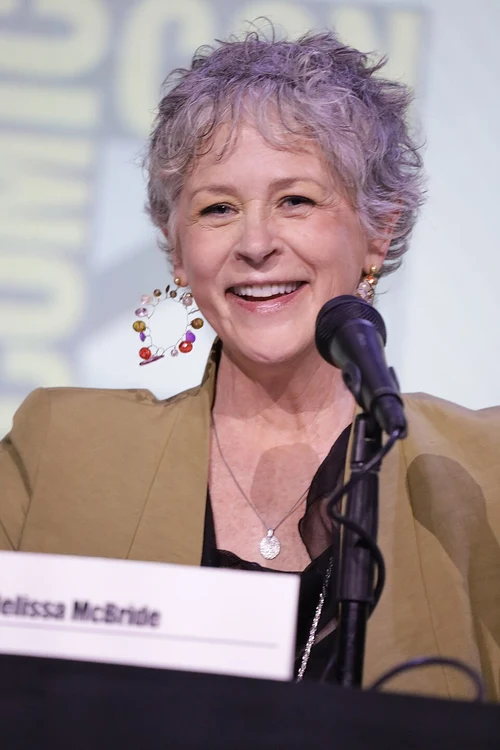
McBride helped make Carol one of The Walking Dead's most discussed transformations. We would draft that deep association with the genre for a fictional team that is arguing about how people adapt over time.
The catch Carol's survival feats remain screen fiction, not a certificate issued to her performer.
Background & sources
Portrays Carol Peletier in The Walking Dead and The Walking Dead: Daryl Dixon. Carol's fictional tactical decisions and survival skills are part of the performance; they do not establish McBride's real-world combat or survival credentials.
Maggie's long place in The Walking Dead makes Cohan an easy entry in a fan-built apocalypse roster. We would want that perspective on stories about keeping a community going after the initial shock wears off.
The catch A season finale is not a substitute for a workable maintenance schedule.
Background & sources
Portrays Maggie in The Walking Dead and Dead City. Her experience is performing and producing a fictional apocalypse story; Maggie's leadership and fighting ability are character traits, not established real-world survival qualifications for Cohan.
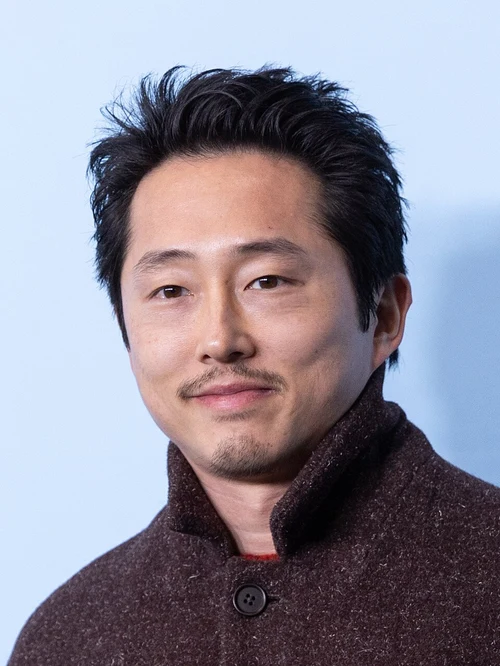
Glenn gives Yeun one of zombie television's most warmly remembered associations. Our draft is an affectionate nod to that role and to the value of a group that has something to talk about besides the ration labels.
The catch The resourcefulness we watched belongs to Glenn; we are not claiming an off-camera survival test.
Background & sources
Portrays Glenn Rhee in The Walking Dead. His relevant contribution is a sustained survivor performance and other acting/producing work; Glenn's supply runs and survival decisions are not evidence of Yeun's personal field-survival qualification.
Morgan's Walking Dead connection guarantees an energetic fictional draft debate. We would invite the actor for genre familiarity and conversation, while making a point of leaving his character's methods inside the screenplay.
The catch Negan's baseball bat stays firmly in the props department.
Background & sources
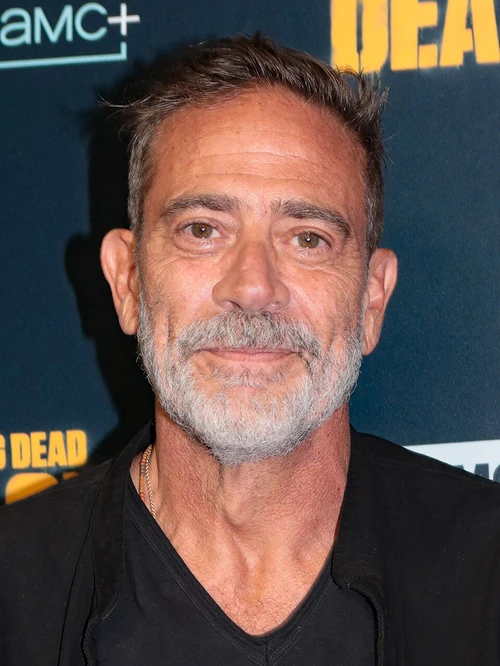
Portrays Negan in The Walking Dead and Dead City. His connection is the performance of an apocalypse character; Negan's fictional authority, violence and weapons are not evidence of Morgan's real-world tactical or survival credentials.
Playing Joel in The Last of Us makes Pascal a natural fan choice for this roster. We would draft a performer strongly associated with the outbreak story and a campfire discussion that almost certainly will not be brief.
The catch Joel's skills are fictional. Actual medical and outdoor decisions still go to the relevant specialists.
Background & sources
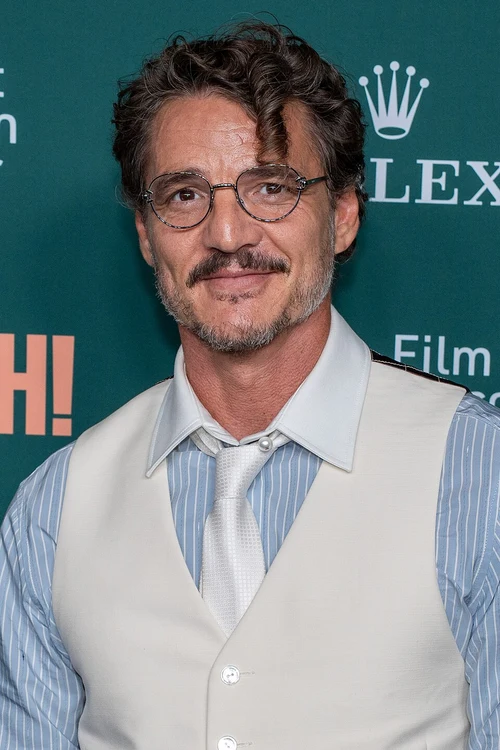
Portrays Joel in HBO's The Last of Us. Joel's fictional smuggling, weapons and survival experience belong to the character; the casting establishes acting experience, not Pascal's own clinical or professional field-survival skill.
Ramsey's Ellie gives this fictional team another deeply recognizable link to The Last of Us. We would invite the performer for that place in outbreak culture and the conversations the story opens about trust and responsibility.
The catch Ellie's immunity is a story element. We are making no such claim about the actor.
Background & sources
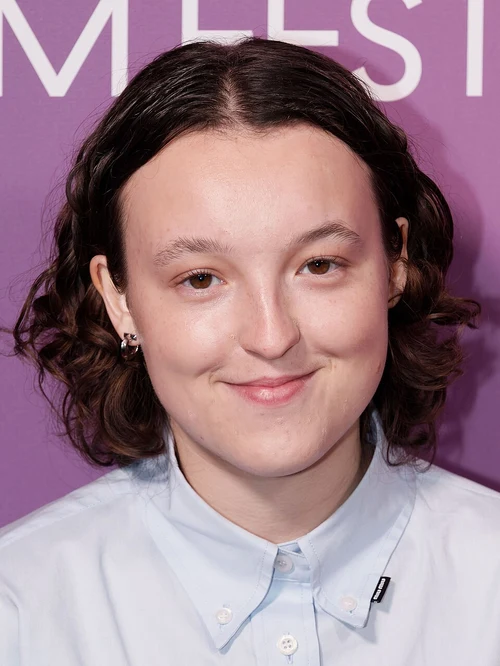
Portrays Ellie in HBO's The Last of Us. Ellie's fictional infection resistance, fighting and wilderness experiences are story elements; they are not evidence of Ramsey's real-world immunity, medical knowledge or survival credentials.
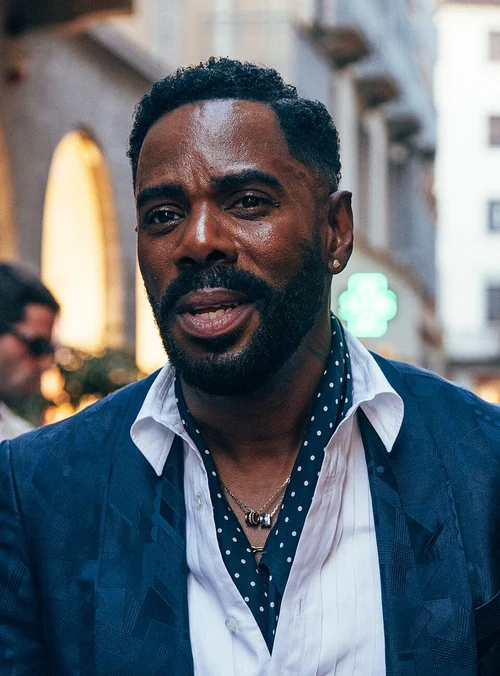
Zombieland's Tallahassee makes Harrelson an obvious comedy pick. We would draft the recognizable screen connection and the promise of an entertaining conversation while the practical members finish the actual supplies list.
The catch A quest for a particular snack cake is not our nutrition plan.
Background & sources
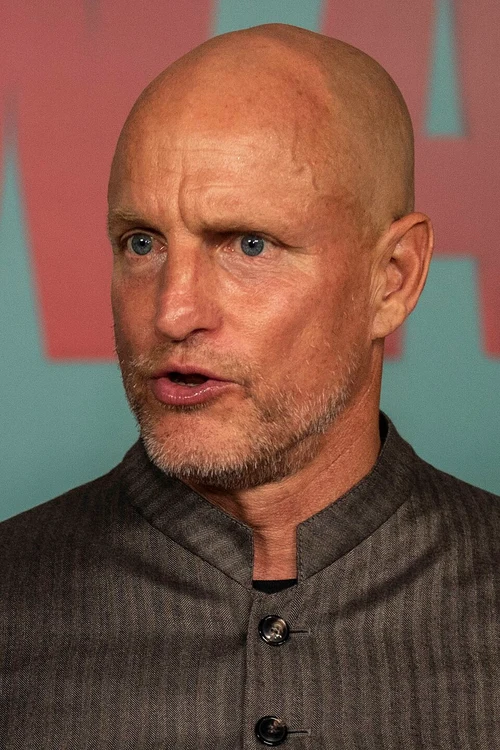
Portrays Tallahassee in Zombieland. Sony identifies the character as a gun-carrying zombie survivor; that is a fictional performance, not evidence of Harrelson's own combat, weapons or survival qualification.
Stone's Wichita gives our draft another Zombieland connection. The appeal here is explicitly a fun casting choice: an actor already associated with stories about uneasy alliances, changing plans and finding people worth sticking with.
The catch We would build real trust through shared work rather than assume a character's instincts come with the actor.
Background & sources
Portrays Wichita in Zombieland and its sequel. Her relevant contribution is acting in a fictional undead road-trip comedy; Wichita's scams, weapons handling and survival decisions do not establish Stone's own practical survival qualifications.
Dawn of the Dead and Army of the Dead give Snyder plenty of zombie imagery to bring to the table. We would draft him for the creative brainstorm, especially when the group needs a vivid reason to reconsider a very large plan.
The catch The actual camp budget will not stretch to a cinematic convoy.
Background & sources
Snyder directed the 2004 Dawn of the Dead remake and co-wrote and directed Army of the Dead. His zombie films emphasize forceful movement, large-scale action, and the strain an outbreak puts on an improvised group.
Zombieland makes Fleischer a natural pick for a roster that wants both zombie knowledge and jokes. We would invite his horror-comedy perspective into a discussion of which simple habits deserve a place on the shared noticeboard.
The catch Our noticeboard is getting a real inventory underneath the memorable slogans.
Background & sources
Fleischer directed Zombieland and its sequel Double Tap. The films combine a road-movie ensemble, survival rules, and exuberant zombie comedy.
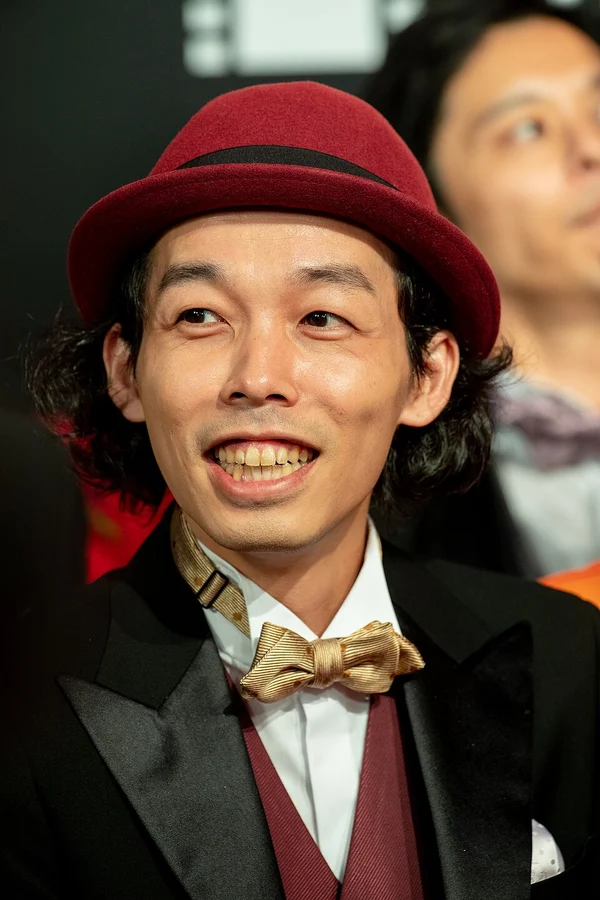
One Cut of the Dead finds its delight in people trying to keep a complicated production moving. Ueda earns our playful pick for that affection for teamwork, improvisation and the very human mess behind an apparently smooth result.
The catch For camp maintenance, we are absolutely allowing a second take.
Background & sources
Ueda wrote and directed One Cut of the Dead. Its inventive structure turns an apparently chaotic zombie production into a celebration of filmmaking.
Dead Set turns a television setting into an outbreak pressure cooker. We would draft Brooker for a sharp media perspective and the person in the meeting willing to ask whether the reassuring message actually contains useful information.
The catch We may need to put a time limit on the bleak forecast before breakfast.
Background & sources
Brooker wrote Dead Set, which strands a reality television cast and crew inside a zombie outbreak. The series makes its enclosed production setting a way to examine media spectacle, group behavior, and the limits of control.
Warm Bodies finds an unusual emotional route through zombie fiction. Marion gets a place for an imagination that can keep a strange situation from becoming only a list of enemies, and for the morale value of a different sort of story.
The catch A fictional romance is not an infection-control strategy.
Background & sources
Marion's Warm Bodies gives a zombie an interior life and the possibility of change. The novel approaches the undead through connection, memory, and a darkly comic romance rather than an outside survivor's viewpoint.
Resident Evil 2 gives Kamiya a strong survival-horror connection. We would invite that game-making experience to our fictional discussion of limited resources, unclear routes and the difference between a clever puzzle and an unnecessary obstacle.
The catch We are keeping the actual spare keys on a labeled hook instead of behind three statues.
Background & sources
Kamiya directed the original Resident Evil 2, expanding the survival-horror outbreak from a remote mansion to Raccoon City. Its intersecting routes and carefully staged encounters helped establish the series' broader urban nightmare.
Dead Rising gives Inafune a memorable place in zombie games. Our draft values that creative experience with crowds and time pressure, along with a useful reminder that a giant shopping center can still be a very complicated place.
The catch The game's absurd improvised tools stay in the game. Our repair kit will be boring on purpose.
Background & sources
Inafune produced Dead Rising, whose shopping-mall outbreak combines a dense zombie crowd with improvised weapons and time-sensitive choices. Its blend of spectacle, rescue opportunities, and dark humor gives players room to create their own survival stories.
A co-writer of Night of the Living Dead belongs in our final fifty. Russo gives the camp a direct link to the modern screen zombie's foundations, and the right person to say that we have seen this sort of scene before.
The catch Genre pedigree earns a place; documented preparedness leads this particular draft. Fifty is still on the team.
Background & sources
Russo co-wrote Night of the Living Dead with George A. Romero. His screenwriting and fiction are part of the genre’s foundational history.
 01